
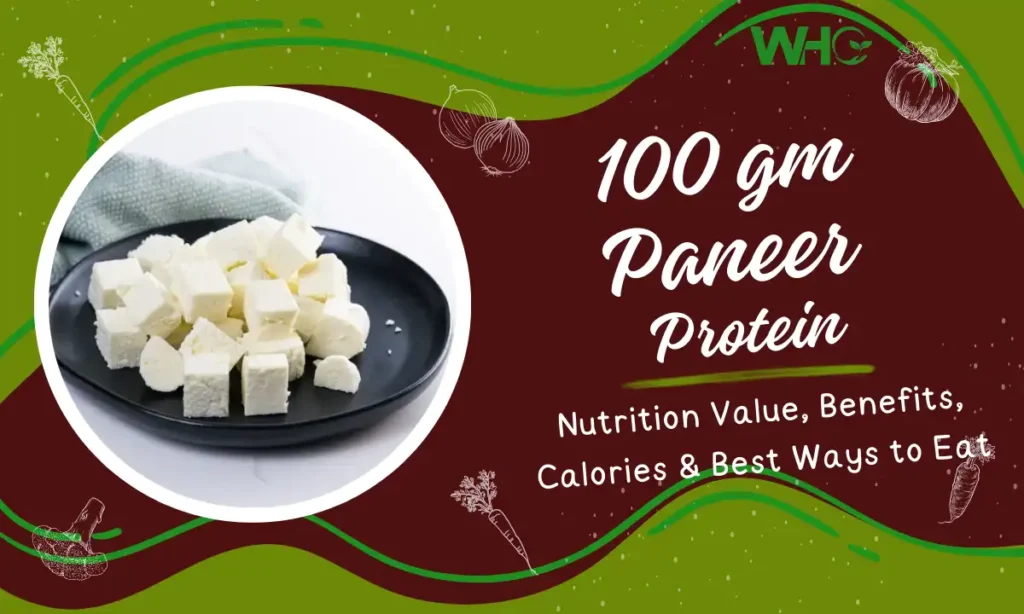
Paneer is the very first option that comes to the mind, while thinking about a vegetarian protein source. This rich in protein Indian cheese is one of the most favorite staples of the south-Asian countries. It is eaten in many ways, used in daily life as well as special occasions. It is used in many delicious Indian dishes. Paneer is a complete package of health and taste. Filled with nutrition, it is a great vegetarian source of protein and other essential nutrients.
How Much Protein is in 100 gm Paneer?
100 gm paneer contains approximately 18 to 25 grams of protein, depending on the type of paneer. Full-fat paneer usually provides 18–20 g protein, while low-fat paneer can provide up to 22–25 g protein per 100 gm. This makes 100 gm paneer protein one of the strongest vegetarian protein options available.
Type of Protein We Get from Paneer
The primary protein that is found in paneer is casein. It is a slow digesting protein, which contains all 9 essential amino acids. As, it is a slow digesting protein, it gradually releases these amino acids in the blood stream, which helps with muscle growth and repair for a long time.
Nutritional Value of 100gm Paneer
| Nutrients | Per 100 gm of Paneer |
|---|---|
| Protein | 18–25 g |
| Carbohydrates | 3.5 g |
| Calories | 318 kcal |
| Total Fats | 24.7 g |
| Saturated Fats | 14 g |
| Sugars | 2.8 g |
| Fiber | 0 g |
| Calcium | 710 mg |
| Sodium | 18–916 mg (varies for diff. brands) |
| Cholesterol | 84–89 mg |
Protein Content in Different Types of Paneer (Per 100 gm)
| Type of Paneer | Protein | Calories |
|---|---|---|
| Full-fat paneer | 18–20 g | ~300 kcal |
| Low-fat paneer | 22–25 g | ~180 kcal |
| Homemade paneer | 17–19 g | Varies |
Paneer Vs Vegan Protein Alternatives
Paneer contains all the 9 essential amino acids hence, its biological value is higher than other alternatives. But there are vegan protein alternatives available in market, providing a variety of option for people following vegan diet and or people who can not take dairy. These vegan options are:
• Tofu (100 g): Contain 8–15 g of protein (lower than paneer)
• Tempeh (100 g): Contain 19 g protein (similar to paneer)
• Greek Yogurt (100 g): Contain 10 g protein (half of paneer)
• Cottage Cheese (100 g): Contain 11 g protein (lower than paneer)
These are good vegan alternatives of paneer, though most of these have lesser amount of protein than paneer.
Also, Read: Sugarcane Juice Benefits: Nature’s Refreshing Elixir for Energy, Immunity & Radiant Skin
Is Paneer a Complete Protein?
Paneer is considered a complete protein because it contains all 9 essential amino acids that the human body cannot produce on its own. This makes paneer especially valuable for vegetarians, as many plant-based foods lack one or more essential amino acids. Including paneer regularly helps fulfill daily protein quality needs.
Benefits Of Incorporating Paneer in Your Diet
Paneer being rich in protein and other essential nutrients provide a spectrum of benefits for human health. Benefits of adding paneer to your diet are:
Paneer Supports Muscle Health and Recovery
Paneer is a great source of protein it contains all 9 essential amino acids which are essential for muscle growth. It mainly consists of Casein, which is a slow digesting protein, it is great for muscle recovery and health. Paneer is an excellent protein option for people who prefer vegetarian diet and cannot eat meat. Being rich in protein and good for muscle growth, paneer becomes a perfect choice for health-conscious people.
Paneer improves Bone Health
Paneer is also rich in calcium. 100g of protein contains around 700mg of calcium, making it good for bone health. Including paneer in daily diet helps improve bone health and density.
Paneer is a Lactose-Friendly Option
Paneer is made by curdling process, that removes much of lactose and whey from it, making it tolerable for people who have mild lactose intolerance.
Paneer is Good for Weight Management
The protein casein and healthy fats in paneer slows down the digestion process, this maintains a feeling of full stomach for a long time. Consuming paneer with a balanced diet could reduce unnecessary snacking and help in weight management.
It is good for blood sugar regulation
Casein, the primary protein present in paneer digests slowly, it also has lower glycemic index, which makes it good for people with diabetes or insulin resistance.
Also, Read: Gond Katira Benefits: Overview, Precautions, Side Effects with More
Paneer for Weight Loss vs Weight Gain
Paneer can be used for both weight loss and weight gain depending on the type and quantity consumed.
- For weight loss: Low-fat paneer provides high protein with fewer calories and helps control hunger.
- For weight gain: Full-fat paneer offers additional calories and healthy fats, making it suitable for bulking and muscle gain.
Proper portion size plays a key role in deciding the outcome.
Paneer for Gym, Bodybuilding & Muscle Building
Paneer is a popular vegetarian protein source among gym-goers and bodybuilders. The casein protein in paneer digests slowly, making it ideal for night-time consumption to prevent muscle breakdown. Consuming 100 gm paneer protein daily supports muscle repair, strength development, and long-term muscle growth when combined with regular training.
Side Effects of Eating Too Much Paneer
Although paneer is nutritious, excessive consumption may lead to increased fat intake, digestive discomfort, or higher cholesterol levels, especially when consuming full-fat paneer. People with heart problems or high cholesterol should consume paneer in moderation and prefer low-fat varieties.
How to Include Paneer in Your Daily Diet
Paneer is a versatile food item. It can be added in the diet in many ways like:
• Add paneer cubes to vegetable salad
• Adding paneer to curries and stir-fried vegetables
• Adding grilled paneer to meals
• Eating paneer in place of refined carbs
Does Cooking Reduce Protein in Paneer?
Cooking paneer does not significantly reduce its protein content, but deep-frying increases calories and fat. Grilling, sautéing, or lightly cooking paneer helps retain its nutritional value.
also, Read: Moringa Powder Benefits: A Complete Guide to Uses, Side Effects & Precautions
Easy Paneer Recipes
Paneer Bhurji
Heat oil in a pan and add cumin seeds to it. After the seeds are cooked, add onion and let it get golden brown. After that, add tomatoes and let it get cooked on low heat. Then add salt, turmeric powder, coriander powder, red chili powder and mix well. Later, add on the crumbled paneer and mix well. Let it cook well on low heat. Serve with freshly made ghee roti or paratha.
Paneer Mousse
Add 200g paneer to mixer with 2 tablespoons of honey and 1 tablespoon of milk. Then, add cocoa powder and if you prefer it with more protein, add protein powder to it. Mix it well in the mixer and when the paste becomes thick and cloudy, set it in a bowl and refrigerate to at least 3 hours. Paneer mousse is ready, garnish it with rolled oats, sunflower seeds, bananas or nuts of your choice and serve chilled.
Paneer Salad
Cut paneer into small cubes and toss it in a hot pan (if you want a roasted flavor). Add the paneer cubes to a bowl with diced onion, tomato, cucumber, green chili and add black salt, chat masala and lemon juice to it. The tangy, savory and flavorful salad is ready.
Paneer Tikka
Cut paneer into cubes. Mix general spices with curd and a little lemon juice and mix to make a masala marinade. Marinate the paneer cubes in the paste with bell pepper pieces. Grill it together on a tandoor, oven, air fryer or pan till it turns slightly brown and cooked. Serve hot with coriander and mint chutney.
Conclusion
Paneer is a superfood, that is rich in nutrition and can be molded into different flavors. It provides bone and muscle health and is easy to incorporate in daily diet. With 18–25 g protein in 100 gm paneer, it is a powerful vegetarian protein source. It is a nutritional powerhouse which consists of protein, calcium, carbs and good fats that support overall health and energy synthesis.
FAQs
How much protein is there in 100 gm paneer?
100 gm paneer contains around 18–25 grams of protein, depending on the type.
Can paneer be eaten daily?
Yes, paneer can be eaten daily in moderate amounts.
Is paneer a complete protein?
Yes, paneer contains all 9 essential amino acids, making it a complete protein.
Is paneer good for weight loss?
Low-fat paneer supports weight loss by keeping you full for longer.
Is 100 gm paneer enough for gym-goers?
100 gm paneer helps with muscle recovery, but higher protein needs require additional sources.
Is it safe to eat paneer at night?
Yes, paneer is safe at night as it digests slowly and supports muscle maintenance.
Also, Read: Sattu Powder Benefits, Nutrition, Precautions, and Healthy Recipes