
Recovery is not a single moment of change, but an ongoing process that unfolds over time. While motivation and clinical support are essential, access to care plays a critical role in whether individuals are able to begin and sustain recovery. For many people, having treatment options close to home can significantly influence engagement, continuity, and long-term outcomes.
Local access to care reduces barriers, strengthens support systems, and helps individuals integrate recovery into everyday life rather than viewing it as a temporary interruption.
Reducing Barriers to Starting Treatment
One of the most common obstacles to seeking treatment is accessibility. Distance, travel costs, time away from responsibilities, and unfamiliar environments can discourage people from reaching out for help.
When treatment is available locally, individuals are more likely to take the first step. Familiar surroundings reduce anxiety and make the process feel more manageable. Access to nearby services can mean the difference between delaying care and beginning recovery when it is needed most.
Local availability supports timely intervention, which is often critical for preventing escalation.
The Importance of Community Connection
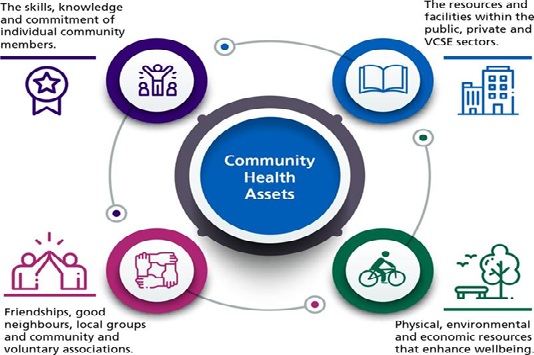
Recovery does not happen in isolation. Community plays a powerful role in supporting change, accountability, and emotional healing. Local care allows individuals to remain connected to family, friends, and support networks while receiving treatment.
Maintaining these connections can:
- Reduce feelings of isolation
- Strengthen accountability
- Support family involvement
- Ease transitions between levels of care
When individuals receive care within their own communities, recovery becomes integrated into real life rather than separated from it.
Continuity of Care and Long-Term Support
Access to local care improves continuity, which is essential for long-term recovery. Recovery often involves multiple phases, such as detoxification, treatment, and ongoing support. When services are available nearby, transitions between these phases are smoother.
Local providers can coordinate care more effectively, reducing gaps in treatment. Individuals are more likely to attend follow-up appointments, continue therapy, and remain engaged in recovery support when services are accessible.
Continuity strengthens stability and reduces relapse risk.
Managing Real-Life Triggers With Support
Recovery requires learning how to navigate real-world triggers, stressors, and responsibilities. Receiving treatment close to home allows individuals to practice coping skills in the environments where challenges actually occur.
Rather than postponing real-life exposure, local care supports gradual skill-building. Individuals can address stress at work, family dynamics, or social situations with ongoing professional support.
This approach helps recovery feel practical and sustainable rather than theoretical.
Family Involvement and Education
Family involvement can be a valuable component of recovery when approached thoughtfully. Local care makes it easier for families to participate in education, counseling, or support services.
Family engagement helps:
- Improve communication
- Reduce misunderstanding and stigma
- Build healthier boundaries
- Strengthen long-term support systems
When families are included in the recovery process, individuals often feel more supported and understood.
Accessibility During Vulnerable Moments
Recovery includes moments of vulnerability when additional support is needed. Local access allows individuals to seek help quickly during periods of heightened stress, cravings, or emotional distress.
Being able to access care without significant travel or disruption encourages people to reach out rather than withdraw. Timely support can prevent setbacks and reinforce recovery skills during challenging moments.
Accessibility promotes responsiveness rather than avoidance.
The Role of Familiar Environments in Emotional Safety
Familiar environments can provide a sense of emotional safety that supports engagement in treatment. While some individuals benefit from distance, many find comfort in receiving care within known surroundings.
Local settings reduce the fear associated with entering treatment and help individuals feel grounded. Emotional safety encourages openness, honesty, and deeper participation in therapeutic work.
Feeling safe supports healing.
Integrating Recovery Into Daily Life
Recovery is most sustainable when it becomes part of daily life rather than a separate experience. Local care allows individuals to continue working, attending school, or fulfilling family responsibilities while receiving support.
This integration reinforces the idea that recovery is compatible with everyday life. Individuals learn how to balance responsibilities while prioritizing well-being, building confidence in their ability to maintain recovery long term.
Integration supports independence and resilience.
Access to Local Expertise and Resources
Local treatment providers often have strong connections to community resources such as healthcare providers, support groups, and social services. These connections enhance recovery support beyond formal treatment.
For individuals exploring options such as alcohol rehab Northern California, local expertise can provide guidance tailored to regional resources and community needs.
This networked approach strengthens recovery outcomes.
Evidence Supporting Accessible Care
Research consistently shows that accessibility improves treatment engagement and outcomes. When care is easier to access, individuals are more likely to begin treatment, remain engaged, and complete recommended programs.
A trusted source for research-based information on alcohol use treatment is the National Institute on Alcohol Abuse and Alcoholism. Evidence-based findings emphasize the importance of reducing barriers and increasing access to care as part of effective recovery systems.
Accessible care aligns with public health best practices.
Addressing Stigma Through Local Support
Stigma remains a barrier to seeking treatment. Local care helps normalize recovery by making support visible and accessible within communities.
When treatment services are part of the local landscape, recovery becomes more accepted and less hidden. Community awareness reduces shame and encourages earlier help-seeking.
Local care contributes to cultural shifts that support recovery.
Choosing Care That Fits Individual Needs
While local care offers many benefits, the right choice depends on individual circumstances. Some people may need more intensive or specialized services, while others benefit from flexibility and proximity.
Evaluating accessibility alongside clinical quality helps individuals choose care that aligns with both immediate needs and long-term goals.
Thoughtful decision-making supports better outcomes.
Strengthening Recovery Through Proximity and Support
Access to local care plays a vital role in recovery success. By reducing barriers, strengthening support networks, and supporting continuity, local treatment options make recovery more attainable and sustainable.
Recovery thrives when care is accessible, responsive, and connected to real life. Choosing treatment that supports both healing and daily living creates a foundation for long-term wellness and stability.