
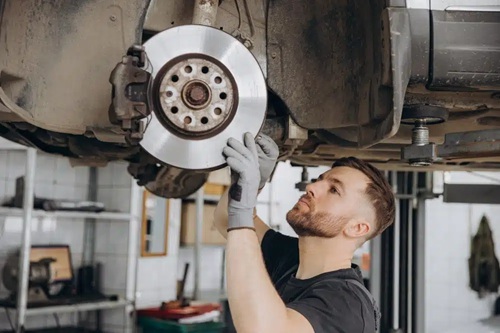
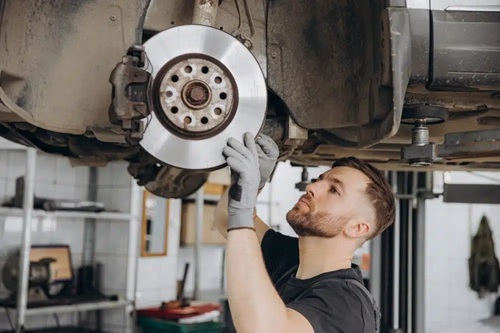
Your vehicle’s braking system is one of the most important components when it comes to safety, yet it’s also one of the most frequently ignored. Many drivers assume their brakes are fine until something feels “off”—a vibration, a squeal, or a longer stopping distance. But by the time these symptoms appear, your braking components may already be significantly worn or damaged. Routine brake inspections are essential for maintaining stopping power, preventing costly repairs, and keeping your vehicle dependable on every drive. If you’re already noticing leaks or missing hardware around your master cylinder, inspecting your brake fluid cap is a smart first step toward diagnosing bigger issues.
Brakes wear slowly, which is why many drivers unintentionally ignore early warning signs. Pads thin down over time, hoses dry out, drums glaze, and fluid absorbs moisture. Inspections help catch these issues early—before they compromise your ability to stop safely.
How Overlooked Wear Impacts Stop-and-Go Driving
Most driving environments—especially city and suburban areas—involve constant stopping and slowing. This frequent braking creates heat, friction, and consistent wear on pads, rotors, drums, and hoses. Skipping inspections allows these components to degrade silently until performance drops noticeably.
1. Longer Stopping Distances
As brake pads wear, they lose thickness and effectiveness. Thin pads require more pedal pressure to create the same amount of friction. This increases your stopping distance significantly, especially in emergency situations.
2. Reduced Brake Pedal Response
If you feel a soft or spongy pedal, your brake lines or hoses may be compromised. Old hoses can swell internally, reducing fluid flow, or even leak under pressure. A weak pedal response jeopardizes your control in stop-and-go traffic.
3. Unusual Noises During Braking
Squealing often indicates worn pads or glazing on the pads or rotors. Grinding is more serious, signaling that pads have worn through completely—allowing metal components to scrape against each other. Once this happens, rotors or drums usually need replacement.
4. Pulling to One Side When Braking
If your car veers left or right when braking, your braking pressure is uneven. Common causes include pad wear on one side, a sticking caliper, or a collapsing hose. Any of these can make driving unsafe, especially at higher speeds.
5. Vibrations or Pulsations in the Brake Pedal
Vibrations indicate rotor warping or drum distortion. Heat buildup in stop-and-go traffic is often the cause. Warped rotors reduce braking efficiency and worsen over time.
The brake hose plays a major role in keeping your braking consistent. If your pedal feel changes or if one wheel brakes weaker than the others, inspecting your brake hose can reveal cracks, swelling, or internal blockage you cannot see from the outside.
When It’s Time to Book a Brake Service
Routine brake inspections aren’t just a suggestion—they’re essential to safe driving. Knowing when to schedule service can prevent major failures and save you hundreds of dollars in repair costs.
1. Follow the 12,000-Mile Inspection Rule
Most vehicles benefit from annual brake inspections or every 12,000 miles, whichever comes first. Technicians can measure pad thickness, check rotor condition, inspect hoses, and test brake fluid.
2. Replace Pads Before They Wear Completely
Waiting until your pads grind against the rotors dramatically increases repair costs. Replacing pads early protects your rotors and drums from damage.
3. Monitor Brake Fluid Quality and Level
Brake fluid absorbs moisture, lowering its boiling point and affecting pedal feel. Flushing your fluid every 2–3 years ensures the system stays responsive, especially under heavy braking.
4. Inspect Brake Drums in Rear-Wheel Setups
Many trucks, SUVs, and some cars still use drum systems. Worn or glazedbrake drums reduce stopping power and contribute to uneven braking.
5. Take Every Warning Sign Seriously
Squealing, grinding, pulling, shaking, or a brake warning light should never be ignored. These signs indicate progressive wear or mechanical failure.
Why Skipping Inspections Leads to Avoidable Repairs
Ignoring brake maintenance is one of the fastest ways to turn a manageable repair into a costly overhaul.
Rotors Wear Faster Without Pad Maintenance
Thin pads expose rotors to metal-on-metal contact, quickly destroying both surfaces.
Hoses Can Fail Unexpectedly
A cracked or weak hose can burst under braking pressure, drastically reducing stopping ability.
Calipers Can Stick and Overheat
Uneven pad pressure causes brake drag, burns up pads, and overheats rotors.
Brake Fluid Contamination Damages Internal Components
Moisture within fluid leads to rust and internal corrosion.
Routine inspections prevent almost all of these scenarios.
Conclusion
Skipping routine brake inspections increases your risk of unsafe braking, costly repairs, and sudden mechanical failures. Frequent stop-and-go driving demands reliable pads, hoses, rotors, and drums, all of which wear down gradually. By paying attention to early warning signs—such as vibration, pulling, noises, or soft pedal feel—you can schedule brake service before performance suffers. Regular inspections keep your vehicle safe, responsive, and prepared for every road condition.