Cancer is a word that immediately brings fear, uncertainty, and a sense of urgency. Yet, behind the diagnosis lies a complex medical condition that affects millions of people worldwide in different ways. Cancer is not a single disease but a group of conditions marked by the uncontrolled growth of abnormal cells. These cells can invade nearby tissues and, in some cases, spread to distant organs.
Over the years, medical science has made significant progress in understanding how cancer develops, how it behaves, and how it can be treated. While the emotional weight of cancer remains heavy, early detection, improved therapies, and patient focused care have transformed outcomes for many individuals.
How Cancer Develops in the Body
At its core, cancer begins when normal cells undergo genetic changes that disrupt their growth cycle. Instead of dying when damaged, these cells continue to multiply. Factors such as genetics, lifestyle choices, environmental exposure, infections, and hormonal influences can all contribute to this process.
Smoking, excessive alcohol consumption, poor diet, lack of physical activity, chronic infections, and prolonged exposure to harmful chemicals are well known risk factors. However, cancer can also occur in individuals with no obvious risk factors, which highlights the importance of awareness and regular health screenings.
Early Signs and the Importance of Awareness
One of the biggest challenges with cancer is that early stages often cause few or no symptoms. Fatigue, unexplained weight loss, persistent pain, unusual lumps, changes in bowel habits, or unexplained bleeding are sometimes ignored or attributed to less serious conditions.
Public awareness plays a vital role in improving survival rates. When people recognize warning signs early and seek medical advice promptly, cancer can often be diagnosed at a stage when treatment is more effective and less aggressive.
Diagnosis and Staging
Once cancer is suspected, doctors rely on a combination of imaging tests, laboratory investigations, biopsies, and molecular studies to confirm the diagnosis. Determining the stage of cancer is a crucial step, as it describes how far the disease has progressed.
Staging helps guide treatment decisions and provides insight into prognosis. Early stage cancers may be localized and easier to treat, while advanced stages may require a combination of therapies aimed at controlling disease and improving quality of life.
The Role of Surgery in Cancer Care
Surgery remains one of the most important pillars of cancer treatment, especially for solid tumors. The goal may be to remove the entire tumor, relieve symptoms, or obtain tissue for diagnosis. In many cases, surgery offers the best chance of cure when cancer is detected early.
A skilled Surgical oncologist plays a critical role in planning and performing these procedures. Their expertise lies not only in removing cancer safely but also in preserving organ function, minimizing complications, and coordinating care with other specialists such as medical and radiation oncologists.
Advances in surgical techniques, including minimally invasive and robotic procedures, have significantly reduced recovery times and improved patient outcomes.
Medical and Radiation Therapies
Cancer treatment often extends beyond surgery. Chemotherapy uses drugs to destroy cancer cells or stop their growth. Radiation therapy targets tumors with high energy rays to shrink or eliminate malignant cells. Both approaches can be used before surgery to reduce tumor size or after surgery to destroy remaining cancer cells.
In recent years, targeted therapy and immunotherapy have changed the landscape of cancer care. These treatments focus on specific molecular pathways or help the immune system recognize and fight cancer cells more effectively. They tend to cause fewer side effects compared to traditional chemotherapy for certain cancers.
Personalized Treatment Planning
No two cancers are exactly alike, even when they occur in the same organ. Modern oncology emphasizes personalized care based on tumor biology, genetic markers, stage of disease, and the patient’s overall health.
Multidisciplinary tumor boards bring together specialists from different fields to design tailored treatment plans. This collaborative approach ensures that patients receive the most appropriate and effective care at every stage of their journey.
For many patients, this integrated approach offers access to the best cancer treatment strategies available today, combining medical expertise with advanced technology and evidence based protocols.
Life During and After Cancer Treatment
Cancer treatment is not just a physical challenge. Emotional, psychological, and social aspects are equally important. Anxiety, fear, fatigue, body image concerns, and financial stress can affect patients and their families.
Supportive care services such as counseling, nutrition guidance, pain management, and rehabilitation help patients cope better during treatment. Survivorship care has also gained importance, focusing on long term health, monitoring for recurrence, and managing late effects of therapy.
Many cancer survivors go on to live full, meaningful lives, returning to work, family responsibilities, and personal goals with a renewed perspective on health.
Prevention and Lifestyle Choices
While not all cancers are preventable, a significant number can be reduced through healthy lifestyle choices. Avoiding tobacco, limiting alcohol, maintaining a balanced diet, staying physically active, protecting skin from excessive sun exposure, and getting vaccinated against cancer related infections all play a role in prevention.
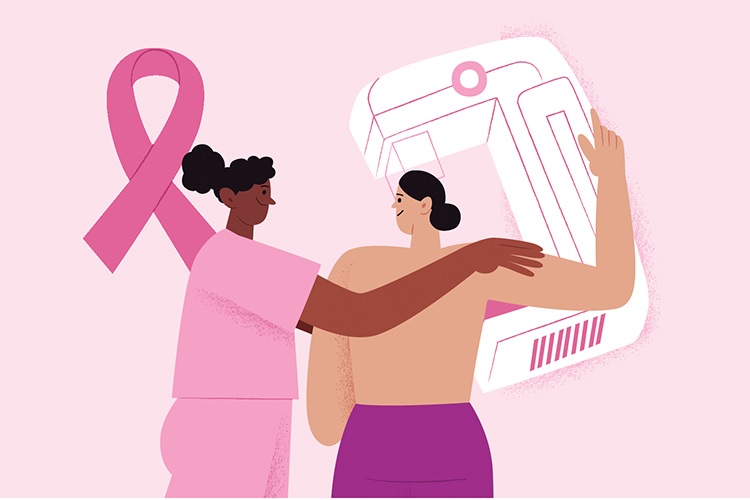
Regular screenings such as mammograms, Pap tests, colonoscopies, and oral examinations can detect cancer at an early, more treatable stage.
A Future Filled with Hope
Cancer research continues to evolve at a rapid pace. Clinical trials, precision medicine, and artificial intelligence are shaping the future of diagnosis and treatment. What was once considered untreatable is now manageable for many patients.
While a cancer diagnosis remains life changing, it no longer represents a dead end. With awareness, early action, skilled medical care, and ongoing research, cancer is increasingly being transformed from a fatal disease into a condition that can be treated, controlled, and in many cases, overcome.
The journey may be challenging, but hope remains stronger than ever.