
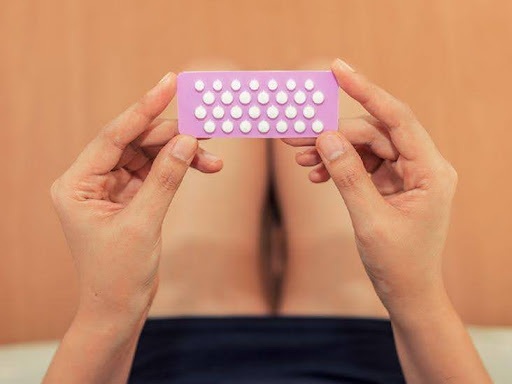
Productivity in the modern professional landscape is currently discussed from the angle of sleep hygiene, time management apps, and caffeine intakes but for women the most important variable in their focus and energy levels is driven by the dance of their hormones.
With more women gaining entry into high pressure industries today the conversation around their hormonal health has currently shifted from mere family planning and it has now gone into a broader discussion on cognitive optimization and understanding how contraceptive pills like the progestogen only mini pill interacts with biological clock is the first step towards mastering the professional flow state.
This article will take you through everything you should know about productivity pills that every woman should know about as well as separating science from myth.
The Science of the Cycle: Why Energy Fluctuates
A menstrual cycle is characterized by multiple hormonal peaks and valleys and during the follicular phase which is the first half of the cycle there is usually rising estrogen levels that usually leads to increased verbal memory, social confidence and physical energy. Also the luteal phase which is the post ovulation phase brings about a drop in progesterone levels and this can lead to dreaded brain fog, irritability and fatigue that can after a work week.
The mechanism of action of hormonal contraceptives is that they work towards stabilizing these fluctuations and by maintaining a steady level of hormones most women are able to find that they can level out the emotional and physical dips that they experienced in the previous months that caused a dip in their productivity.
Focus, Memory, and the Brain
A common myth is that “The Pill” dulls the mind. However, recent neuroscientific research suggests the reality is far more nuanced. Studies using functional MRI scans have shown that hormonal contraceptives can actually influence brain regions associated with emotional regulation and memory.
For many working professionals, the primary benefit is the reduction of Premenstrual Syndrome (PMS) and Premenstrual Dysphoric Disorder (PMDD). When symptoms like chronic cramping or severe mood swings are mitigated, the cognitive bandwidth available for complex problem-solving and leadership tasks increases significantly.
The “Mini Pill” Advantage for Professionals
While the combined pill (containing both estrogen and progestogen) is well-known, many professional women are turning toward the Progestogen-Only Pill (POP), colloquially known as the mini pill.
The mini pill is often preferred by those who are sensitive to estrogen or who have busy, high-stress lifestyles where cardiovascular health is a priority. Because it contains only one hormone, it typically has a lower risk profile for certain health conditions while still providing the stability needed to avoid “hormonal burnout.” For many, the transition to a more consistent internal environment is a career game-changer.
Fortunately, modern healthcare has caught up with the pace of the professional world. It is now possible to skip the waiting room and get a mini pill prescription through regulated digital platforms that offer clinical consultations and home delivery.
Navigating Your Choices
Every woman’s biochemistry is unique. What works for a colleague might not work for you. When exploring options, it is helpful to consult detailed guides on the different types of contraceptive pills to understand how specific formulationslike the 3-hour vs. the 12-hour mini pillmight fit into your daily routine.
Conclusion: Empowerment Through Information
The “Productivity Pill” isn’t a magic fix; it’s a tool for stabilization. By separating the myths from the science, women can make informed decisions that support not just their reproductive health, but their professional ambitions as well. In the quest for peak performance, understanding your own biology is the ultimate competitive advantage.