
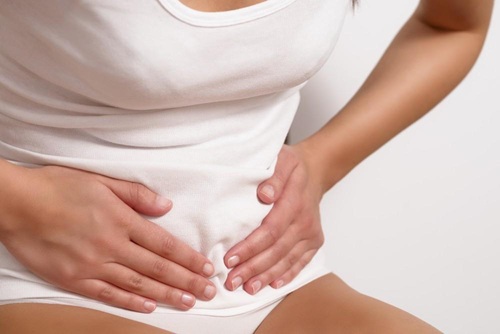
Pelvic pain can be quite complicated to deal with. It manifests itself in too many different ways depending on its origin. It can be sharp and borderline crippling, twisted and knotting, or just a dull ache that refuses to let go. What’s causing it may be just as difficult to locate – after all, our pelvis houses many organs and structures all crammed tightly into a small space, sharing nerves and blood.
Because of this, you see a lot of women just living with it for months or even years without ever getting it addressed. It is chalked up as just another thing that the body does from time to time, something akin to digestive problems or period pains. But that just shouldn’t be the case – if you’re struggling with pelvic pain right now, know that you have a lot of doctors around to get you out of this situation. So, keeping that in mind, let us explore everything we can about pelvic pain and understand how gynaecologists figure out its root cause.
Where does pelvic pain come from?
With an area of our body like the pelvis, which is home to the uterus, ovaries, fallopian tubes, bladder, bowel, pelvic flow, muscles, ligaments, and a lot of nerves, pain can originate from pretty much anywhere – even from a combination of them. To make matters worse, what you may be experiencing as pelvic pain may actually be referred from outside the pelvis. Places like our lower back or hips can also produce symptoms that may seem like pelvic pain.
More importantly, pain in our bladder feels akin to gynaecological pain. Bowel problems can seem like smaller period cramps. Tightened pelvic floor muscles can feel as if they’re coming from deep within the reproductive system. The sheer number of overlaps and the potential culprits are the primary reasons why pelvic pain cannot be diagnosed by symptoms alone.
What are the common causes of pelvic pain in women?
The first thing you need to know is that pelvic pain often sits within gynaecology and is often linked to its issues. Conditions like endometriosis, fibroids, adenomyosis, ovarian cysts, and inflammation can all cause pain in your pelvis. All of these conditions often have a specific pattern that doctors can trace, such as pain that worsens around periods, discomfort during sex, or unusually heavy or irregular bleeding. This gets worse for older women, as transitions like perimenopause can take away a lot of the clues associated with gynaecological pelvic pain.
But it should be obvious that not all women with pelvic pain are carrying gynaecological troubles. As such, the next most common culprit to assess is the bladder. From chronic bladder irritation, bladder pain syndrome, to recurrent infections, the organ can cause pain in your lower pelvis that will worsen as it fills up. Unfortunately, this can be mistaken for uterine or ovarian pain because of its location and because urinary symptoms are quite tough to understand at first.
Anatomically, our bowel sits directly behind the uterus, so any digestive issue may also manifest itself as pelvic pain. Conditions like IBS, chronic constipation, or inflammatory bowel disease can all produce pain that feels reproductive in origin. Thankfully, you can identify this pain a little more easily as it often comes along with symptoms like bloating, changes in bowel habits, or relief after passing stool.
Musculoskeletal causes, though overlooked by most people, also deserve an assessment with pelvic pain. Pelvic floor muscle tension, previous injuries, posture-related strain, or scar tissue from surgery can all contribute to chronic pelvic pain. This type of pain will worsen when you sit or stand for long periods, or through specific movements. Thankfully, out of everything discussed so far, this is the easiest to identify thanks to imaging tests like MRI.
How do gynaecologists evaluate pelvic pain?
Before anything else, take this as a general rule of thumb: if you’re experiencing pelvic pain, your first point of contact should always be a private gynaecologist in London or wherever you are placed. The reason why it’s best to go private is that you’ll be able to skip the long waiting time of the NHS and the required referral of a GP to get the help you need at the right time. It may cost a bit, but what you’ll get in return more than makes up for it – timely assessment, the best possible care, and peace of mind.
Now, when you first walk in to discuss your symptoms, the first thing your doctor will do is understand the story behind it. This involves a deep discussion that covers a lot of ground – when the pain started, how it behaves, what makes it better or worse, and whether it has links to sex, periods, urination, or bowel movements. Your doctor will also ask you about any past surgeries, infections, pregnancies, miscarriages, and even about health issues that may seem unrelated at first. Just trust that it’s for a reason and don’t hesitate to answer everything in detail.
This will be followed by a physical exam, in which your doctor will assess the problem area’s tenderness, muscle tension, organ size, and how structures move in relation to each other. If it’s a muscular or nerve-related problem rather than something more internal, it will show itself during this stage.
But should physical examination prove insufficient, you’ll need to go through a few more tests for an accurate diagnosis. That can include a pelvic ultrasound, blood tests, urine tests, or screening for infections. In more complex cases, the doctor will rely on MRI scans or laparoscopy to identify the true culprit, especially in conditions like endometriosis.
Red flags that gynaecologists actively look for
While most causes of pelvic pain are manageable, there are a few key indicators that may prompt urgent or outright emergency treatment. For one, any sudden and severe pain that comes out of nowhere is always the one to handle with utmost seriousness. Pain that comes accompanied by fever, unexplained weight loss, postmenopausal bleeding, fainting, or a quick and steady worsening over time all warrant prompt assessment.
How can you manage pelvic pain at home, and when to seek help?
Though it is always best to first get a doctor’s opinion on the matter, you can still try to manage pelvic pain at home with a few simple things – especially if it’s on the milder side. Things like heat packs, gentle movement, stretching, and stress management may help lower or eliminate the pain over time.
That said, this method has its fair share of limits. Pelvic pain that worsens with time needs to be checked by a certified doctor before anything else. There are also situations where such pain should never be managed at home at all. Pain during pregnancy, pain following trauma, heavy bleeding, or symptoms accompanied by fever, vomiting, or neurological changes require urgent medical attention. Remember: If you delay getting the best care right now, it can lead to some severe complications down the road.
Get help for pelvic pain on time
Although pelvic pain is an incredibly common problem among women, it does not deserve to be normalised or treated casually. This is a deeply complex condition which deserves the attention of a good gynaecologist. You never know what’s causing it, but if you can catch the culprit early, things will improve in the long term. All that is to say, take care of yourself, seek clarity when things get foggy, and don’t ignore something because it feels familiar or manageable.