
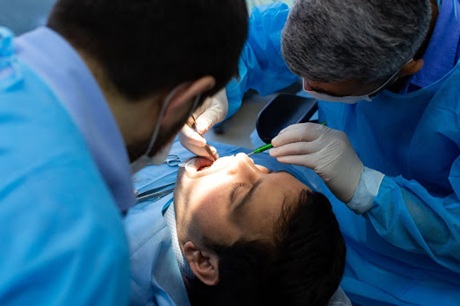
When your dentist drops the words like “oral surgery,” your first reaction probably isn’t excitement. It’s normal for your mind to worry about pain or recovery time.
But in reality, oral surgery is really common. Millions of people go through it every year, whether it’s the teenage rite of passage of getting wisdom teeth out or an older adult getting dental implants. Thanks to modern technology, it has become one of the most predictable and safe parts of dentistry.
Think of it this way: surgery isn’t just about fixing a problem; it’s about preventing bigger health issues down the road so you can get on with your life pain-free.
What Is Oral Surgery?
Oral surgery is like “heavy lifting” of dental care. It covers procedures on your teeth, gums, jawbones, and face that go beyond what a regular filling or cleaning can fix.
You usually need it when a problem involves the bone, a tooth that is stuck (impacted), or might be deep infection. You are in good company if you need a procedure; statistics show that about 65–70% of adults will need some form of oral surgery in their lifetime.
The best part? It’s rarely as intense as people imagine. Many procedures are quick outpatient appointments, meaning you’re back in your home the same day.
Who Is an Oral Surgeon?
Many people often ask, “Why can’t my regular dentist just do it?”
Think of your general dentist like your primary care doctor; they are amazing for Normal check-ups, maintenance, and routine fixes. An Oral and Maxillofacial Surgeon is the specialist. After a dental degree, they spend several extra years in hospital-based surgical training.
They are experts in facial anatomy, nerves, and arguably most importantly, anesthesia. While your dentist handles the surface, the surgeon handles the complex structures underneath. This specialized training is why studies show complication rates are significantly lower when oral surgeons handle complex cases.
If you live in a metro city, and trying to find an experienced oral surgery that means you have access to advanced surgical facilities, modern anesthesia options, and specialists who routinely handle complex cases. Like Fort Dental Clinic in Mumbai.
Common Oral Surgery Procedures
Oral surgery includes a wide range of treatments and procedures, many of which are very common than we expect.
Wisdom Tooth Removal
Wisdom tooth removal is the most commonly performed oral surgery. Research suggests that nearly 85% of people will need their wisdom teeth removed at some point due to lack of space, impaction, or infection. Removing infected or problematic wisdom teeth early reduces the risk of cysts, gum disease, and damage to neighboring teeth. Don’t think too much about pain; your doctors will take care of this.
Dental Implant Surgery
Bone loss in the jaw is common after tooth loss. Research indicates that the jawbone can lose up to 25% of its width within the first year after a tooth is removed. So, bone grafting helps rebuild this lost structure, making future treatments like implants possible.
Jaw and Facial Surgery
Oral surgeons also treat jawline misalignment, facial injuries, and even fractures. Corrective jaw surgery can significantly improve chewing efficiency, speech, and facial balance. With my experience, patients undergoing procedures like this report improved quality of life after recovery.
Treatment of Oral Infections and Cysts
Untreated dental infections can spread quickly. Clinical data show that severe oral infections are among the leading causes of emergency dental admissions. So, surgical intervention helps remove infected tissue and prevent serious complications.
When Do You Need Oral Surgery?
Not every dental issue needs surgery. And your body gives you signs. Persistent jaw pain, swelling that won’t go away, trouble opening your mouth, or an infection that keeps coming back are all red flags and never be ignored.
If your dentist recommends surgery, don’t put it off. The data is clear: patients who treat these issues early have much faster recovery times than those who wait until it becomes an emergency.
Is Oral Surgery Safe?
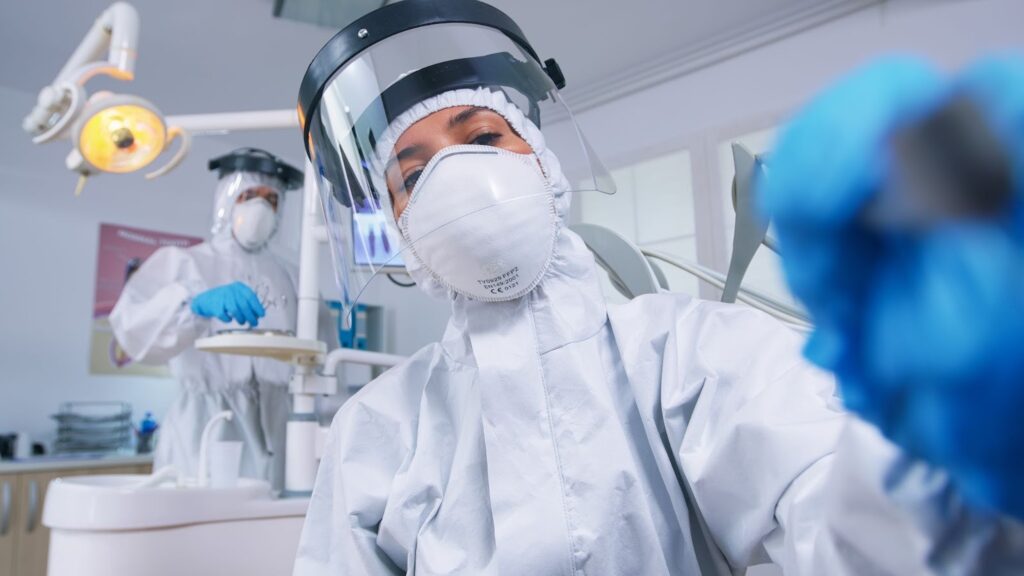
The short answer is: Yes. Safety is the biggest concern patients have, and they should be. But the good news is that oral surgery today is extremely safe when performed by trained professionals using modern techniques.
Modern oral surgery utilizes 3D imaging and advanced surgical planning, making surprises rare. Serious complications happen in less than 1–2% of routine cases. A huge part of this safety comes from the “pre-flight check”, your surgeon will review your medical history and medications in detail to ensure your body is ready for the procedure.
What to Expect Before, During, and After Oral Surgery
Before: No mysteries here. Your surgeon will walk you through the X-rays, the game plan, and exactly how they will keep you comfortable. You’ll get a clear list of “dos and don’ts” for eating and medication.
During: You shouldn’t feel pain. Whether it’s local numbing, twilight sedation, or general anesthesia, the goal is for you to be comfortable and anxiety-free.
After: You will likely have some “chipmunk cheeks” (swelling) and soreness for a few days. This is normal. Pain is usually very manageable with the medication provided.
Recovery: Getting Back to Normal
Most people are back to their normal routine in 2 to 5 days. The swelling usually peaks around day two and then goes down.
Here is the secret to a fast recovery: Follow the instructions. Stick to soft foods that are easy to chew, keep your mouth clean, and don’t smoke. Studies actually show that patients who strictly follow their post-op instructions have up to 40% fewer complications.
Final Thoughts
It’s okay to be nervous, but try not to let fear stop you from getting the care you need. Oral surgery is the most effective way to hit the “reset” button on your oral health.
When you have a skilled team looking after you, the procedure is just a small bump in the road toward a healthier, pain-free life.