
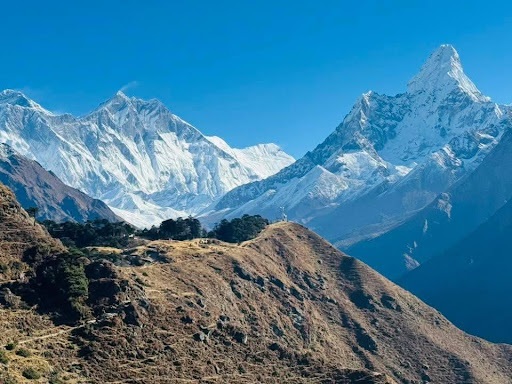
Preparing for the Everest Base Camp Trek is not just about packing gear, it’s about building a strong, resilient body and mind. Because you’ll be walking for 10–14 days at high altitudes, natural and sustainable training plays a major role in how well you perform on the trail.
This guide explores natural ways to boost your stamina, strengthen your lungs, improve endurance, and prepare your mind, all without relying on artificial enhancers or extreme training programs.
Why Natural Preparation Matters for the Everest Base Camp Trek
What Are the Risks of Poor Trek Preparation?
The Everest Base Camp trek reaches heights of 5,364 meters (17,598 ft), an environment where the air is thin, temperatures drop, and the terrain challenges even experienced hikers. Without proper training, you increase your chances of:
- Acute Mountain Sickness (AMS)—headaches, nausea, dizziness
- Muscle fatigue due to long hiking days
- Dehydration, common in cold, dry climates
- Injuries, such as knee pain, ankle sprains, and back strain
Your body must be strong enough to walk for hours each day while carrying a backpack, experiencing fluctuating weather, and adjusting to altitude. That’s why natural preparation is essential.
How Natural Training Builds Long-Term Strength
“Natural training” means building your fitness gradually through low-impact, sustainable activities, without depending on stimulants, energy boosters, or last-minute crash training. This approach:
- Strengthens your muscles and joints
- Improves lung efficiency
- Enhances mental resilience
- Supports immunity and overall wellness
It’s not just preparing for EBC, it’s building a foundation for a lifetime adventure.
How to Naturally Increase Your Stamina for High-Altitude Treks
What Endurance Exercises Work Best for EBC Training?
Endurance is the core of your trek preparation. The best natural exercises mimic the demands of the Himalayan trails:
- Hiking with a weighted backpack
- Stair climbing (great for altitude simulation)
- Long-distance walking (10–15 km per session)
- Cycling or swimming (excellent for cardio without joint strain)
Many trekkers compare EBC training to preparing for the Manaslu Circuit Trek both require strong legs and lungs, but EBC has steeper, longer stretches that reward slow and steady conditioning.
How Often Should You Train?
Start at least 12 weeks before your trek. Aim for:
- 3–5 workouts per week
- One long hike every week
- Light strength training for legs and core
- Rest days to recover properly
Your goal is consistency—not intensity.
Natural Breathing Techniques to Improve Lung Capacity
Which Breathing Exercises Help at High Altitude?
High-altitude trekking requires efficient breathing. Practice:
- Diaphragmatic (belly) breathing
- Nasal breathing, especially during walks
- Box breathing (4-second inhale, hold, exhale, hold)
These techniques train your lungs to use oxygen more efficiently.
Can Yoga Help with Lung Conditioning?
Yes! Yoga deeply expands the chest and diaphragm. Helpful poses include:
- Cobra Pose
- Bridge Pose
- Camel Pose
Pranayama practices like Anulom Vilom (alternate nostril breathing) and Bhramari (humming bee breath) improve respiratory strength, focus, and stress management.
Using Nutrition to Prepare Your Body Naturally
What Foods Boost Endurance?
Fuel your body with whole, nutrient-rich foods:
- Carbs: oats, brown rice, whole grains
- Protein: eggs, lentils, chicken, chickpeas
- Healthy fats: nuts, seeds, avocado
- Iron-rich foods: spinach, legumes, red meat
- Anti-inflammatory options: turmeric, ginger, berries
Hydration is crucial, drink 2–3 liters daily.
Do You Really Need Supplements?
Not always. Try natural alternatives first:
- Chia seeds for energy
- Moringa for nutrients
- Beetroot juice for stamina
If using supplements, consult a doctor, especially if you have pre-existing health conditions. Understanding how your body reacts to altitude, exertion, and dietary changes is important, and general resources on health conditions can help you prepare more mindfully before the trek.
Mental Preparation for the Everest Base Camp Trek
How to Build Mental Resilience Naturally
EBC is not just a physical challenge, it’s a mental game. Train your mind through:
- Mindfulness and meditation
- Visualization (imagine yourself on the trail)
- Journaling goals and progress
Mental strength helps you push through fatigue, cold, and long days.
Why Emotional Fitness Matters
Multi-day treks test patience and emotional stability. You may face discomfort, fatigue, or moments of doubt. Build emotional resilience by:
- Practicing gratitude
- Staying present
- Connecting with fellow trekkers
- Remembering your “why”
This mindset helps you enjoy the journey, not just endure it.
Natural Ways to Prevent Altitude Sickness on the EBC Trek
Which Herbs or Natural Remedies Help?
Some traditional remedies may support acclimatization:
- Garlic for circulation
- Ginger tea for nausea
- Ginkgo biloba (consult a doctor first)
Warm fluids like herbal teas and soups also support hydration, which is key at altitude.
Always talk to a healthcare provider before using herbs or natural supplements, especially if you take medications.
How to Acclimate Naturally Without Medication
The safest natural method is a slow and steady ascent:
- No more than 300–500 m gain in sleeping altitude per day
- Take proper rest days
- Stay hydrated
- Eat well
- Sleep early
If symptoms appear, descend—never push through AMS.
A 12-Week Natural Training Plan for Everest Base Camp
How to Structure a Natural Training Schedule
Weeks 1–4
- Walking + light hikes
- Basic yoga
- Core strengthening
Weeks 5–8
- Longer hikes with elevation
- Weighted backpack (5–10 lbs)
- Stair climbing
Weeks 9–12
- Back-to-back long hikes
- Real gear practice
- Increased pack weight
Remember: Rest is as important as training.
Gear That Helps Natural Training
- Weighted backpack
- Minimalist shoes for balance
- Trekking poles
- Moisture-wicking clothing
- Hydration pack or reusable bottles
This gear prepares your body for real trail conditions.
Pro Tips for Holistic Everest Preparation
Why Sleep Matters Before and During the Trek
Aim for 7–9 hours nightly. Natural aids include:
- Chamomile tea
- Warm showers
- Reduced screen time
- Lavender oil
On the trail, staying warm and hydrated improves sleep quality.
What to Avoid
- Overtraining
- Crash diets
- Sugary foods
- Alcohol and caffeine
- Negative self-talk
Stay consistent, patient, and focused.
Conclusion
Natural preparation is the most sustainable and effective way to train for the Everest Base Camp Trek. By focusing on gradual endurance training, lung conditioning, balanced nutrition, and mental resilience, you create a solid foundation for high-altitude success.
Remember: trekking in the Himalayas isn’t just about physical strength, it’s about patience, balance, and understanding your body. Start early, stay consistent, and trust the process. Every mindful effort you put in now will reward you when you finally stand beneath the mighty peaks of the Khumbu.
Your journey to Everest doesn’t begin at Lukla, it begins today.