
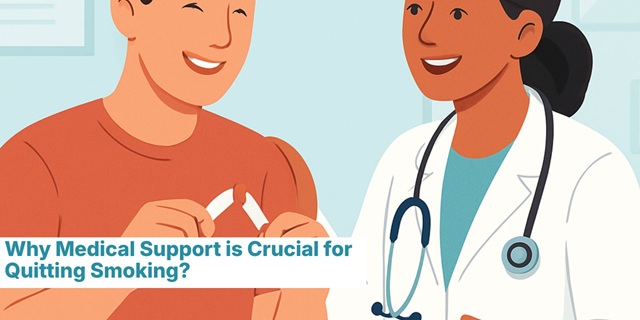
Although many smokers are aware of the risks associated with smoking, quitting smoking remains one of the most difficult lifestyle changes to accomplish; smokers often experience frustration and guilt after making several attempts to quit. Many times, smokers continue in this cycle of attempting to quit smoking and relapsing back into smoking because they believe they have a lack of willpower.
However, smoking is more than just a habit; it is a combination of both a physical and psychological addiction; therefore, seeking medical assistance is essential to successfully quitting smoking.
Smoking affects the brain: Not just the lungs
Effects of Nicotine on the Brain: Nicotine affects the brain’s chemistry. When people smoke tobacco products, the brain releases dopamine after each cigarette is smoked, which gives them feelings of pleasure and reward. Your brain finds it hard to function normally without relying on nicotine long after you start. If you suddenly quit smoking, your brain will respond very strongly to your withdrawal from nicotine.
You may go through withdrawal from nicotine after you quit smoking. The most common withdrawal symptoms of nicotine include:
- Intense craving for nicotine or cigarettes
- Anxiety and/or irritability
- Difficulty concentrating or thinking clearly
- Trouble falling asleep
- Increased appetite/weight gain.
These withdrawal symptoms are caused by the brain’s response to the absence of nicotine in the bloodstream and are not caused by a person’s lack of motivation to smoke. Without proper support, these withdrawal symptoms can easily overwhelm an individual who has every intention of quitting smoking.
Why quitting without help often leads to relapse
Many smokers attempt to quit on their own. Some manage for a short period, but stress, social situations, or emotional pressure can trigger relapse. This does not mean failure. It implies the addiction was stronger than the support system.
Medical support improves success by:
- Reducing the severity of withdrawal
- Managing cravings safely
- Identifying emotional and behavioural triggers
- Providing clear guidance and follow-up
Quitting becomes a structured process rather than a constant internal battle.
How Physicians Support Patients in Stopping Smoking
In addition to recommending that patients quit smoking, physicians also assess various aspects of tobacco use history, such as:
- The length of time a patient has been using tobacco
- How many cigarettes does the average patient consume daily
- If a patient has tried to quit smoking previously
- the patient’s current mental health/stress level
Any pre-existing medical conditions or health concerns the patient may have. Utilising this information, physicians develop a “personalised” quit smoking strategy for their patients.
In conclusion, one of the major advantages of going to see a physician to help quit smoking is the personalisation of treatment.
The Role of Medication in Stopping Smoking
For many smokers who are attempting to quit, medication can considerably increase their likelihood of quitting smoking successfully. Medications like Champix 0.5 mg and 1 mg tablets, which contain the active ingredient varenicline, are frequently prescribed for people attempting to quit smoking.
The action of varenicline creates a two-fold effect by reducing the patient’s craving for nicotine and by blocking the pleasurable effects of tobacco in the brain. Because of this action, the use of varenicline will make it less satisfying for a patient to smoke, and the side effects associated with nicotine withdrawal will be easier to manage.
The use of medication to stop smoking is not a shortcut or replacement for an individual’s effort to stop smoking. It is a therapeutic agent designed to assist a patient’s brain in adjusting to life without nicotine. Physicians closely monitor the use of these medications for safety and efficacy.
Behavioural support matters just as much
Smoking is often linked to routines and emotions. People smoke when stressed, bored, anxious, or socialising. Medical support usually includes counselling or structured guidance to address these patterns.
This support helps people:
- Recognise personal smoking triggers
- Learn healthier ways to cope with stress
- Prepare for high-risk situations
- Stay motivated during difficult phases
Addressing the mental side of addiction greatly reduces the risk of relapse.
Making quitting manageable instead of overwhelming
One of the biggest reasons people struggle is that quitting feels too big. Medical guidance breaks the process into manageable steps. This may include:
- Setting a realistic quit date
- Gradually reducing smoking
- Using medication correctly
- Scheduling follow-up visits
- Tracking progress and setbacks
With proper guidance, learning how to quit smoking becomes less confusing and more achievable.
Why awareness days encourage action
Public health initiatives play an important role in motivating people to quit. No Smoking Day is one such reminder that quitting is not just a personal goal but a step toward better health for families and communities. Many people choose this day to seek medical advice or restart their quitting journey with professional support.
These moments often act as turning points.
Family support works best with medical care
Family encouragement is valuable, but it is most effective when combined with medical guidance. Doctors help families understand:
- Why mood changes happen during withdrawal
- How to support without pressure or judgment
- When medical advice is needed
This creates a healthier environment for quitting and reduces misunderstandings at home.
Long-term follow-up improves success
Supportive follow-up services will be beneficial to continued success for those who have quit. Various types of support and assistance provided by these professionals include properly adjusting the dosages of medications used to manage nicotine cravings, linking their tobacco use/relapse with current life stressors, providing emotional support due to potential weight gain/sleep disturbances associated with quitting, and helping to improve a sense of self-worth and self-confidence among individuals who have quit smoking.
While quitting smoking is generally a long-term aspiration for anyone seeking to lead a healthier life, professionals who assist individuals with this process can significantly enhance their chances of success.
Final Thoughts
If you want to improve your overall lung health, quitting smoking is among one of the most important steps you can take. However, this will require some level of support from someone else throughout the quitting process since everyone experiences both psychological and physical dependency on nicotine. If you receive assistance from qualified professionals, you will give yourself a better chance of succeeding in this endeavour.
With assistance from professionals and treatment from a drug rehabilitation centre, combined with psychological support, an individual can quit smoking for good. Trying to quit without assistance is comparable to attempting to climb Mount Everest by yourself. While you may eventually succeed, your probabilities of success are greatly diminished without going through the effort of accessing someone else’s support. Asking a qualified healthcare provider for assistance does not indicate that you are weak; instead, it offers you the information to achieve better health and take back control of your life.
Written by Thirumal Reddy(B. Pharma), a Medical Content Writer at MrMed – India’s Most Trusted Online Pharmacy. Get up to 85% off on genuine medicines delivered right to your doorstep. Explore and download the MrMed App now for more details.
Also, Read: https://www.wellhealthorganick.com/blog