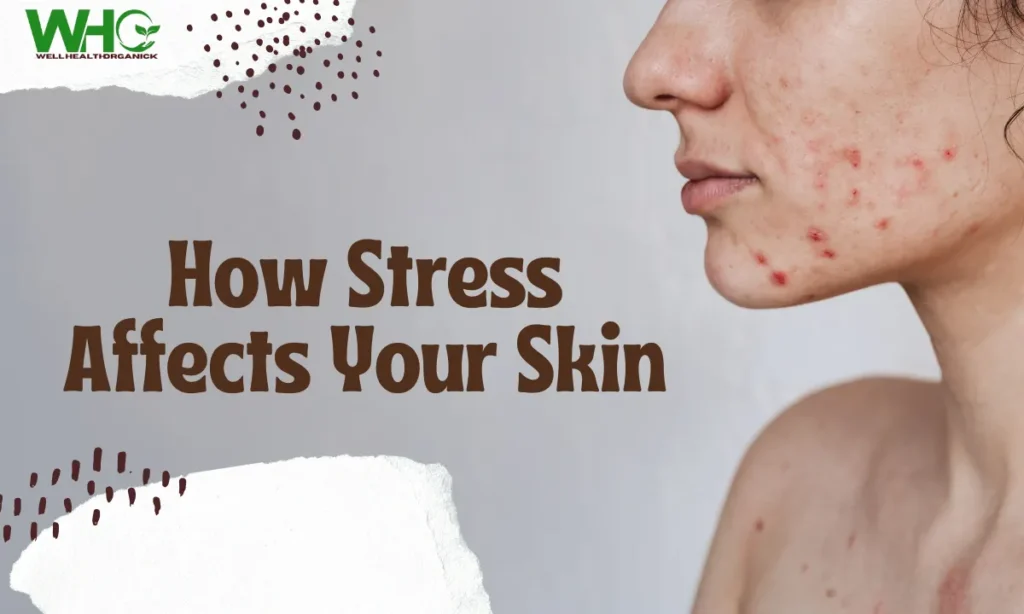
We often think of stress as something that lives only in our minds, but stress doesn’t stay only there, it shows up in places you can actually see and your skin is one of the first to react. That sudden breakout when you are tensed, the dullness during a tough week, that is all stress. The skin and nervous system are closely connected, and when mental stress hits, skin often reflects that.
The Skin-Stress Connection
Skin is not just a protective layer, it is an active organ that responds to hormones, immune signals and emotions. When there is mental stress, the body releases hormones like cortisol and adrenaline, these hormones are helpful in some fight or flight situations, but when stress becomes constant, they can disturb the balance that the skin needs to stay healthy.
High stress levels can increase oil production, weaken the skin barrier, slow down healing and trigger inflammation.
Stress and Acne
One of the most common skin reactions to stress is acne. Cortisol increases oil production in the skin, more oil means clogged pores, which creates the perfect environment for acne-causing bacteria. Stress can also worsen the inflammation, turning small spots into red and painful breakouts.
Also, stress often leads to habits that create skin problems like touching your face, picking at pimples, poor sleep or skipping skincare, all of this adds up making acne more frequent and stubborn.
also read about: PCV Full Form in Medical, PCV Test, Importance, Procedure & More
Stress and Skin Aging
Stress doesn’t just affect the skin in that moment it can also influence how the skin ages over time. Chronic stress increases inflammation and oxidative stress, which can have adverse impacts on collagen and elastin, these are the proteins that keep the skin firm and smooth.
When collagen levels decrease, fine lines can appear more easily, and skin may start to look tired or less elastic. Stress can also reduce blood flow to the skin, providing less oxygen and fewer nutrients to the cells, which can make the skin look dull and old.
Stress Can Trigger or Worsen Skin Conditions
Skin condition like eczema, psoriasis, rosacea or hives can be easily triggered by stress, as these conditions are linked to the immune system, which becomes more reactive under stress. When stress increases, the body releases inflammatory chemicals that can cause itching, redness or flaking. This can become a cycle of stress worsening the skin condition and the skin condition causing even more stress.
Stress and the Skin Barrier
The skin barrier keeps moisture inside and helps in keeping irritants out. Stress can weaken this barrier leading to dryness, sensitivity and irritation. That’s why the skin might suddenly sting when applying any products or it might feel tight and uncomfortable even after moisturizing. When the barrier is damaged, the skin loses water more easily and becomes more vulnerable to pollution, bacteria and allergens.
The Role of Sleep and Stress
Stress and poor sleep often go together, as, during deep sleep, the body repairs damaged cells, produces collagen and reduces inflammation. When stress impacts the sleep, the skin is not able to get the recovery time it needs, hence it shows signs of skin damage immediately. Improving the sleep cycle can bring a big change to the skin health.
How to Calm Stressed Skin
Stress can not be eliminated completely, but its impact on mind and skin can be reduced simply starting with skincare. When stress levels are high, the skin usually don not need much product, but rather less is enough, basic skincare like gentle cleansers, basic moisturizer, and sunscreen can help a lot with bringing back the glow of skin.
Avoid harsh exfoliators or constantly changing products during stressful periods. Managing stress is very important, as only skincare will not help if the stress levels are constantly high. Starting with small habits like regular sleep, light exercise, deep breathing, journaling or even break from screens can help regulate cortisol levels in the body. These changes might seem unrelated and very vague to skincare, but they often make a big difference.
Most importantly, be kind to yourself, stress related skin issues are not a lack of discipline or a sign of ugliness, they are a normal human response, so rather than thinking of immediately curing it, give your skin some time and care.
Conclusion
The skin is one of the first places where stress shows up, acting like a reflection of the internal state. Breakouts, flare-ups, dryness or dullness are not just cosmetic problems, they’re signals of compromised mental health. Instead of fighting the skin think of what your body need more, is it rest, balance, consistency or gentleness. As, healthy skin is not just about using good products, it’s about how you live, rest and respond to pressure in life.
FAQs
Can stress really cause skin problems?
Yes, stress increases hormone levels that can lead to acne, dullness, and skin irritation.
Does stress make acne worse?
Yes, stress raises cortisol levels, which increase oil production and trigger breakouts.
Can stress cause itching or skin allergies?
Yes, high stress can make skin more sensitive, causing itching, redness, or allergic reactions.
Does stress affect skin aging?
Yes, long-term stress breaks down collagen, leading to early wrinkles and fine lines.
How can I protect my skin from stress damage?
Managing stress, getting enough sleep, staying hydrated, and following a good skincare routine helps protect the skin.
also read about: Importance of Study of Pathology: How It Powers Disease Detection, Treatment & Research