
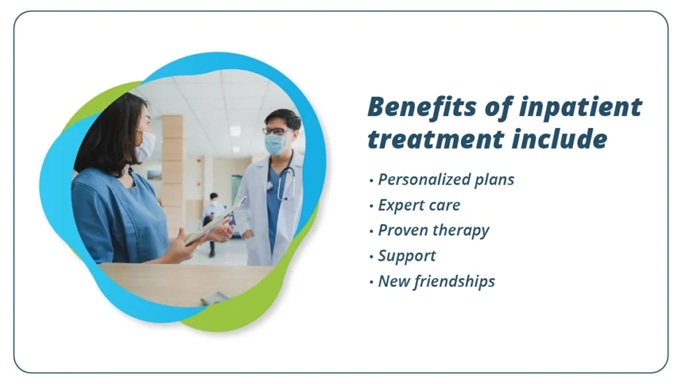
Mental health conditions can fluctuate in intensity, sometimes reaching a point where outpatient care is no longer sufficient to ensure safety and stability. In these moments, inpatient mental health treatment plays a critical role. This level of care is designed to provide structured, continuous support for individuals whose symptoms require immediate and comprehensive clinical attention.
Understanding how inpatient treatment supports stabilization and safety helps clarify why this level of care is not only beneficial, but clinically necessary for some individuals during acute phases of mental health challenges.
The Purpose of Inpatient Mental Health Treatment
Inpatient mental health treatment provides 24-hour care within a controlled and therapeutic environment. Individuals live at the treatment facility while receiving intensive clinical support, including therapy, psychiatric care, and constant supervision.
This setting removes external stressors and allows individuals to focus entirely on stabilization. People seeking care through best mental health inpatient facilities often do so because symptoms have escalated beyond what can be safely managed in outpatient or partial hospitalization programs.
Prioritizing Safety During Mental Health Crises
Safety is the primary concern when determining the need for inpatient care. Severe depression, suicidal ideation, self-harm behaviors, psychosis, or intense emotional dysregulation can significantly increase risk if left untreated in less structured settings.
Inpatient treatment provides continuous monitoring, ensuring that individuals are not left alone during periods of high vulnerability. Immediate access to clinical staff allows for rapid intervention if symptoms worsen, reducing the risk of harm and creating a safer environment for stabilization.
Continuous Clinical Monitoring and Support
One of the defining features of inpatient care is the availability of round-the-clock clinical support. Mental health symptoms can change quickly, and having trained professionals on-site allows for timely assessment and response.
This level of monitoring supports stabilization by:
- Identifying early warning signs of crisis
- Adjusting treatment plans in real time
- Providing emotional support during distress
- Ensuring medication is administered safely
Continuous care reduces uncertainty and provides reassurance for individuals who may feel overwhelmed by their symptoms.
Structured Environments That Reduce Risk
Structure is a key component of inpatient mental health treatment. Daily schedules typically include therapy sessions, skill-building activities, rest periods, and therapeutic group engagement.
This structure creates predictability, which is especially important for individuals whose nervous systems are overwhelmed. Predictable routines help regulate emotions, reduce anxiety, and foster a sense of safety that may be absent in unstructured environments.
By limiting exposure to external stressors and triggers, inpatient settings allow individuals to stabilize without constant external demands.
Stabilization Through Integrated Treatment
Inpatient care addresses multiple aspects of mental health simultaneously. Treatment often includes individual therapy, group therapy, psychiatric evaluation, and medication management.
Rather than treating symptoms in isolation, inpatient programs use integrated approaches that consider emotional, psychological, and behavioral factors. This comprehensive care supports stabilization by addressing underlying contributors to crisis rather than only managing immediate symptoms.
Medication Management in a Controlled Setting
Medication can be a critical component of mental health stabilization, but finding the right medication or dosage requires careful monitoring. In inpatient settings, psychiatric providers can closely observe how individuals respond to medication changes.
This controlled environment allows for:
- Safe medication adjustments
- Monitoring side effects
- Evaluating effectiveness
- Coordinating medication with therapy
Stabilizing symptoms pharmacologically can make therapeutic work more effective and reduce the intensity of emotional distress.
Trauma-Informed Safety Practices
Many individuals entering inpatient mental health care have experienced trauma. Trauma can heighten emotional reactivity, impair emotional regulation, and distort perceptions of safety.
Inpatient treatment incorporates trauma-informed practices that emphasize choice, predictability, and emotional safety. These practices help individuals feel supported rather than controlled, reducing retraumatization and supporting long-term healing.
Creating a sense of safety is foundational to stabilization and recovery.
Preventing Escalation and Repeated Crises
Without adequate support, individuals experiencing severe symptoms may cycle through emergency rooms, hospitalizations, or repeated crises. Inpatient treatment aims to interrupt this cycle by addressing symptoms intensively and comprehensively.
By stabilizing individuals before discharge, inpatient care reduces the likelihood of immediate relapse or emergency intervention. This proactive approach supports more sustainable recovery outcomes.
Education and Skill Development
Inpatient treatment also emphasizes education and skill development. Individuals learn about emotional regulation, stress management, and coping strategies that support stability beyond the inpatient stay.
Understanding mental health conditions empowers individuals to recognize warning signs and apply skills proactively. A trusted source for research-based mental health information is the National Institute of Mental Health, which provides educational resources that support informed decision-making and recovery.
Education helps reduce shame and fosters confidence in managing mental health long term.
Preparing for Continued Care After Discharge
Inpatient care is a starting point, not an endpoint. As stabilization occurs, treatment teams focus on discharge planning and continuity of care.
This preparation may include referrals to outpatient therapy, medication management, or structured support programs. Transition planning ensures that individuals leave inpatient care with the tools and support needed to maintain stability.
Effective aftercare planning is essential for preventing setbacks and sustaining progress.
Reframing Inpatient Treatment as Preventive Care
Inpatient mental health treatment is often misunderstood as a last resort. In reality, it is a proactive intervention designed to prevent further deterioration and promote safety during critical periods.
Seeking inpatient care reflects self-awareness and commitment to well-being. Early intervention can shorten recovery time and reduce long-term complications.
Supporting Recovery Through Appropriate Levels of Care
Mental health recovery depends on aligning treatment intensity with symptom severity. Inpatient treatment provides the highest level of non-emergency care when safety and stabilization are priorities.
By offering continuous support, structured environments, and integrated treatment, inpatient programs create conditions where healing can begin.
Building Stability Through Compassionate Care
Stabilization and safety are the foundations of effective mental health treatment. Inpatient care provides the space, support, and clinical expertise needed to restore balance during periods of acute distress.
When individuals receive care that meets their needs, recovery becomes not only possible, but sustainable. Inpatient treatment plays a vital role in helping individuals regain stability and move forward with confidence and clarity.