Healthcare works because many people follow safety rules and keep things clean. A team checks that tools for surgery or other care are always safe, clean, and ready to use. People can get ready for this job through online sterile processing programs. These programs teach with online classes and practice so you learn both online and through hands-on training.
If you want this job, you need to know the main skills you get from these programs. This can help you see how complete and focused on the field the training is.
Technical Foundations Taught in Online Sterile Processing Technician Programs
Signing up for online sterile processing technician programs helps students learn the science and skills they need in today’s healthcare jobs. These programs, even when taken online, offer lessons, video demos, practice tools, and teacher support. This setup helps students understand things well and feel ready for work.
Understanding Infection Control Principles
Students start by learning how to stop and handle infections. This covers:
- Microbiology basics
- Types of pathogens and risks of contamination
- Standard precautions and ways to stop the spread of germs
- How to stop cross-contamination techniques
Sterile processing technicians need to know how things like bacteria, viruses, and spores stay alive. They also must understand how sterilization works to remove these things. This is an important part of keeping instruments safe to use again.
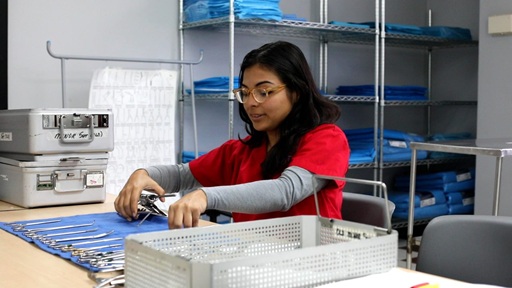
Instrument Identification and Classification
One key skill you get is knowing and sorting different tools used in surgery. Students learn about:
- Surgical instrument names and what they do
- How to handle both delicate and strong equipment
- Rules for putting together instrument trays
- Tools used in different procedures
Virtual labs often give clear images and 3D models to help you see how things work in real life.
Decontamination and Cleaning Procedures
Before you do sterilization, you need to clean the instruments the right way. Programs show:
- Manual cleaning steps
- How to use an ultrasonic cleaner
- Washer-disinfector steps
- Chemical use and safety
Students learn each step closely to make sure no biological traces stay behind. Cleaning the right way helps make sterilization work well.
Sterilization Methods and Equipment Operation
One of the most useful skills you get is knowing about sterilization methods. You also learn how to use the equipment in a safe way.
Key Sterilization Methods
Students learn about many ways to make things clean. This includes:
- Steam sterilization is done by autoclaves.
- Ethylene oxide, or EtO, is used for sterilization.
- Hydrogen peroxide plasma is used for sterilization.
- There are also low-temperature methods for sterilization.
Each way needs a set temperature, pressure, and time for how long something is shown to it. The online modules usually have hands-on showings where you can see how the tools work and how their systems work.
Monitoring and Quality Assurance
Sterile processing technicians have to check that the sterilization cycles work well. Programs teach students to:
- Use biological signals
- Read chemical signal results
- Keep sterilization logs
- Follow the documentation steps
Keeping track of things the right way helps protect patients. It also helps make sure rules are followed.
Regulatory Compliance and Safety Standards
Healthcare places have to follow strict rules. Virtual sterile processing programs help people learn these rules. Students learn how to meet the standards set by the main organizations in charge.
Documentation and Record-Keeping
Students learn how to:
- Keep tracking systems for instruments up to date
- Write down sterilization cycles
- Tell someone if equipment is not working
- Make sure people can know where surgical trays go
You need to pay close attention to detail. Even small mistakes in the paperwork can lead to problems at work or safety issues.
Workplace Safety Practices
Safety training includes:
- How to use PPE the right way
- Safe ways to handle chemicals
- How to lift things the right way to help your body
- How to talk about job dangers and risks
This helps technicians stay safe. It also keeps other people safe when they are in places that have a lot of danger.
Equipment Inspection and Maintenance Skills
Another important skill is to check tools for damage or signs it is worn out.
Instrument Testing and Function Checks
Students are trained to:
- Look at the alignment and sharpness
- Find any rust or cracks
- Try out things with hinges
- Make sure the locks work
If an instrument does not pass inspection, it must be fixed right away or taken out so people do not use it.
Communication and Team Collaboration
Even though sterile processing technicians work out of sight, talking with others is very important. Online programs focus on:
- Write clear notes.
- Work with surgical teams.
- Let others know when quick reprocessing is needed.
- Follow the chain-of-command rules.
Good communication helps to stop surgery delays. It also makes things run well in the hospital.
Time Management and Workflow Optimization
Hospitals have tight schedules. The sterile processing departments need to meet demand all the time and still keep everyone safe.
Students learn to:
- Put instrument loads first.
- Keep an eye on turnaround times.
- Handle both emergency and routine requests.
- Stick to lean workflow rules.
Simulated case scenarios in online courses help students learn how to act when they feel stress. They also teach people to stay correct while they work under pressure.
Technology Integration in Modern Sterile Processing
Today’s clean processing teams use new tracking software and tool that help with jobs. These online programs help students to:
- Use digital tracking systems
- Scan barcoded instrument trays
- Put sterilization data into software platforms
- Know how to work automated washer-disinfector systems
Knowing how to use technology helps people work better. It also cuts down on mistakes made by people.
Professional Development and Certification Preparation
Many online programs help students get ready for national tests. The classes usually follow known standards for the field. This helps students get qualifications that are known and trusted in the industry.
Students develop:
- Test-taking strategies
- Knowledge of exam areas
- A clear sense of the right thing to do in your job
- Good habits for learning all the time
Getting certified helps you get a job and move ahead in your field. You can work in hospitals, outpatient centers, and special clinics.
Hands-On Components in Virtual Learning
While the coursework is given online, good programs add hands-on parts like:
- Clinical externships
- Lab simulations
- On-site practicum partnerships
- Instructor-supervised skill assessments
This mix of methods helps students get both book learning and hands-on practice in the real world.
Building Confidence for a High-Responsibility Role
Sterile processing technicians have a direct part in keeping patients safe. Online programs help students feel sure of themselves in these ways:
- Structured learning paths
- Skill assessments
- Scenario-based training
- Instructor feedback
Graduates are ready to work in healthcare. They do their jobs well and act in a professional way.
Choosing online sterile processing technician programs can help people who want to join this field. These programs help you get started while letting you keep your own schedule. You will learn about infection and how to keep things clean, how to check tools, and how to keep up the quality of the work. After finishing, you will have the tools needed to do well in a busy hospital or clinic. You will also learn how to keep patients safe.