
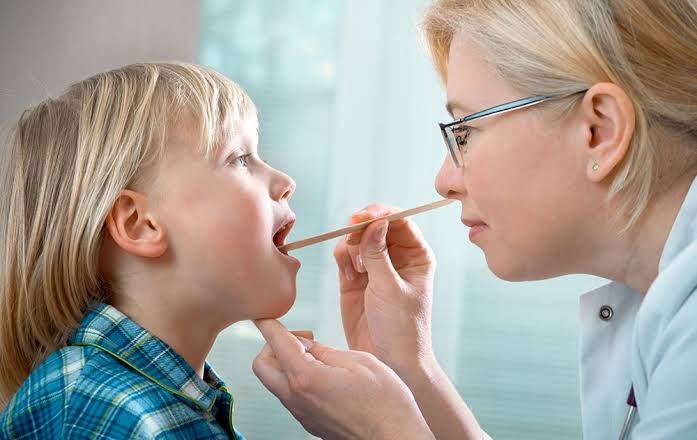
A first specialist appointment can make parents anxious, and children pick up on that quickly. The good news is that a first visit to a paediatric ENT clinic is usually straightforward. Most of it involves talking, looking and listening, and the examinations are quick. Knowing what will happen, in what order, makes it easier to prepare your child and to get the most from the appointment.
This guide follows a typical first visit from the week before to the drive home, with tips for preparing children of different ages.
The week before: gather the right information
Paediatric ENT doctors rely heavily on what parents observe, because young children cannot describe their symptoms. A little preparation makes a real difference.
- Health booklet. Bring your child’s Health Booklet or have their records on HealthHub, which include their newborn hearing screening result and developmental checks.
- Infection log. Note roughly how many ear infections, sore throats or courses of antibiotics your child has had in the past year.
- Videos. If the concern is snoring, noisy breathing or pauses in breathing, record a one to two minute video on your phone while your child sleeps. This is often more informative than any description.
- Previous results. Bring any earlier hearing tests, scans or letters from your paediatrician.
- School or preschool feedback. Teachers sometimes notice hearing or attention issues that parents do not see at home.
The day before: talk to your child
How you explain the visit depends on age, but the principles are the same: be honest, keep it simple and avoid promising that nothing will be uncomfortable.
Babies and toddlers (under 2)
Explanations will not mean much yet. Focus on timing instead. Book the appointment for a time when your child is usually fed and rested, not just before a nap. Bring a familiar toy, a pacifier if used, and a snack or milk.
Preschoolers (3 to 5)
Children this age respond well to play. Use a toy torch to “look in the ears” of a teddy bear, then take turns. Picture books about visiting the doctor help too. Use neutral words like “look” and “check” rather than “hurt” or “needle”.
School-age children (6 and above)
Older children usually want to know what will happen and why. Explain that the doctor will look in their ears, nose and throat with a light, and may ask them to listen to beeps in a quiet room. Let them prepare a question of their own if they like. Feeling involved reduces anxiety.
On the day: arriving at the clinic
Arrive ten to fifteen minutes early to complete registration without rushing. Many paediatric-focused clinics have play corners or books in the waiting area. If your child is unwell with a high fever on the day, call the clinic before coming; the appointment may be more useful once the acute illness has settled, unless the illness itself is the reason for the visit.
In the consultation room
The conversation
The doctor will begin with questions, mostly directed at you. Expect questions about the main concern, how long it has been going on, birth history, development, speech, sleep, school performance, allergies and family history of hearing loss or ENT problems. Older children may be asked directly too.
The examination
A standard paediatric ENT examination includes:
- Looking in the ears with an otoscope, a handheld light with a small cone, or sometimes a microscope.
- Looking in the nose with a light, to check the lining, septum and any blockage.
- Looking in the mouth and throat to assess the size of the tonsils.
- Feeling the neck for lymph nodes or lumps.
Each step takes seconds. For young children, the doctor or nurse may ask you to hold your child on your lap in a particular way, usually with your child’s back against your chest, one arm gently around their body and arms, and your other hand steadying their head against you. This keeps the examination quick and safe, as a sudden movement while the light is in the ear can be uncomfortable. It is normal for toddlers to cry during this part, even when nothing hurts.
Tests that may be done on the same day
Depending on the concern, the doctor may arrange one or more tests during the visit.
Tympanometry
A soft probe is placed at the entrance of the ear canal for a few seconds while it gently changes the air pressure. It measures how well the eardrum moves and is the main test for fluid behind the eardrum. It is painless and quick.
Hearing tests suited to your child’s age
- Visual reinforcement audiometry for babies and toddlers from around six months: the child turns towards sounds and is rewarded with a lighted toy or video.
- Play audiometry for children from around two and a half to five: the child does something, such as dropping a block in a bucket, each time they hear a sound.
- Pure tone audiometry for school-age children: the child presses a button or raises a hand when they hear a beep through headphones.
These are carried out by an audiologist in a soundproof room and take about 20 to 30 minutes.
Nasoendoscopy
For snoring, nasal blockage or voice concerns, the doctor may pass a very thin flexible camera into the nose to view the adenoids and airway. A numbing spray is usually used first. It is quick, though some children find it uncomfortable, and the doctor will explain whether it is needed now or can wait.
Scans and sleep studies are not done at the first visit and would be arranged separately if needed.
Before you leave
By the end of the appointment, you should understand what the doctor found, what is likely causing the problem and what happens next. Common outcomes include reassurance and watchful waiting, a trial of medication such as a nasal spray, a review in a few weeks or months, further tests, or a discussion about a procedure such as grommets or adenotonsillectomy. If surgery is mentioned, it is rarely decided on the spot, and you will usually have time to think it over.
After the visit
Children often remember how a visit ended more than how it started. A small treat, a trip to the playground or praise for being brave helps create a positive memory, which matters if follow-up appointments are needed. At home, note any instructions about medications, ear care or swimming, and put the next appointment date somewhere visible.
A calm first visit sets the tone
Most first visits to a paediatric ENT clinic last 20 to 45 minutes, or longer if a hearing test is included. With records in hand, a short video of symptoms if relevant, and a child who knows roughly what to expect, you will leave with clearer answers and a child who is more comfortable coming back.
Disclaimer: This article is for general information only and does not replace medical advice. Please consult a qualified paediatric ENT specialist for assessment of your child’s condition.