
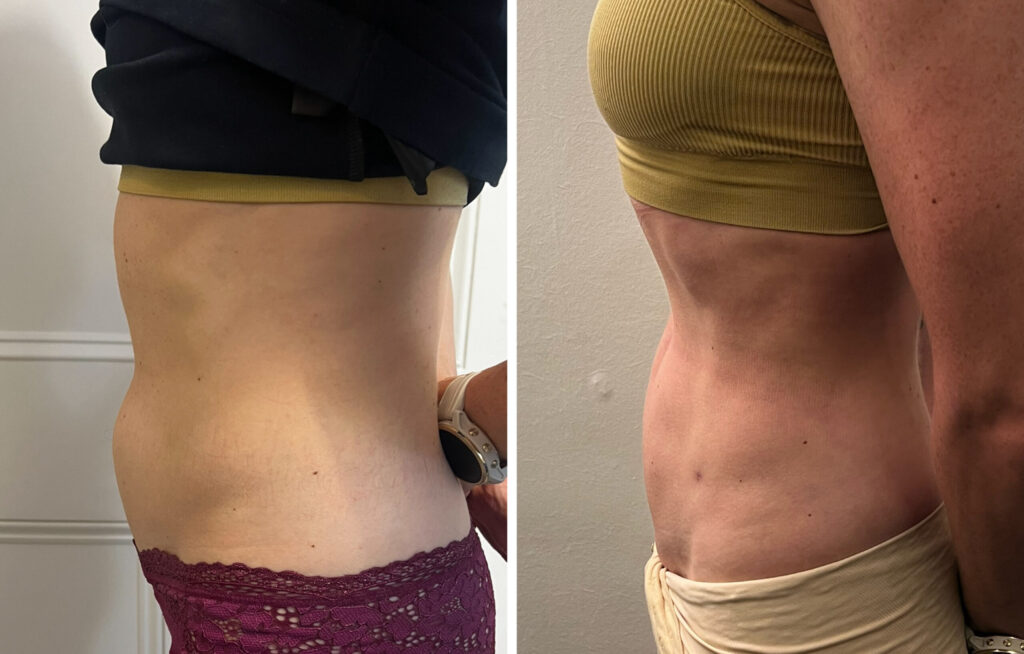
Patients considering liposuction in Singapore may come across different terms during their research, including traditional liposuction and VASER liposuction. Both are surgical procedures used to remove localised fat from selected areas of the body, but they differ in how the fat is loosened before it is removed.
Traditional liposuction usually uses mechanical movement of a cannula to break up fat before suction. VASER liposuction uses ultrasound energy to help loosen fat before suction removal. This difference may influence how the procedure is planned, which areas may be treated and what risks or recovery factors should be discussed.
The decision should not be based on the name of the technique alone. A useful discussion should focus on whether liposuction is suitable, which method may fit the treatment area and what limitations patients should understand before surgery.
First, What Liposuction Is Meant to Do
Liposuction is usually discussed for localised fat that remains despite stable weight, diet and exercise. It is not intended as a weight-loss treatment and does not address internal abdominal fat, obesity, loose skin or cellulite.
Patients may consider liposuction for areas such as:
- Abdomen
- Flanks
- Thighs
- Arms
- Back
- Chin or neck area
- Hips
- Male chest in selected cases
The aim is usually body contouring, not a major change in body weight. This distinction matters because patients who expect weight loss from liposuction may be disappointed, even if the treated area changes in shape.
The Main Difference Is How Fat Is Prepared for Removal
The main difference between VASER liposuction and traditional liposuction happens before the fat is suctioned out.
In traditional liposuction, a cannula is inserted through small incisions and moved within the fat layer. This movement helps loosen fat so it can be removed through suction.
In VASER liposuction, ultrasound energy is used to help loosen fat before suction removal. A small probe delivers ultrasound energy into the treatment area after fluid has been introduced. The loosened fat is then removed using suction.
Both methods still involve surgery, incisions, anaesthesia planning, recovery and possible risks. VASER liposuction should not be viewed as a non-surgical alternative simply because it uses ultrasound energy.
A Simple Way to Compare Both Methods
Patients may find it easier to compare both approaches by looking at what changes and what stays the same.
Traditional liposuction and VASER liposuction both involve:
- Localised fat removal
- Small incisions
- Use of a cannula
- Suction removal of fat
- Anaesthesia or sedation planning
- Swelling and bruising after surgery
- Compression garments where advised
- Follow-up care
- Possible risks and complications
The main difference is that VASER liposuction includes an ultrasound-assisted step before suction. This may be relevant for selected treatment areas or fat characteristics, but suitability still depends on assessment.
Why the Treatment Area Matters
Not all fat behaves the same way. Fat thickness, firmness and location can vary across the body. Some areas may have softer fat, while others may feel firmer or fibrous. Skin quality also differs between areas.
The surgeon may consider:
- Where the fat is located
- How much fat is present
- Whether the fat feels firm or fibrous
- Whether the skin can contract after fat removal
- Whether the area has been treated before
- Whether there is loose skin
- Whether the patient’s goal is realistic
For example, liposuction planning for the abdomen may differ from planning for the arms, chin or thighs. The technique should be selected based on the area being treated and the patient’s anatomy.
What VASER Liposuction May Change in Planning
Because VASER liposuction uses ultrasound energy before fat removal, the planning may include technique-specific considerations. The surgeon may consider whether ultrasound assistance is suitable for the area, how much fat needs to be removed and whether the skin and tissue quality support the treatment plan.
VASER liposuction may be discussed when the surgeon believes ultrasound-assisted fat loosening may be appropriate for the patient’s concern. However, this does not mean it is suitable for everyone or for every treatment area.
Patients should ask why VASER liposuction is being recommended, what it may help with in their case and what limitations still apply.
What Traditional Liposuction May Involve
Traditional liposuction may still be discussed for many localised fat concerns. It uses mechanical movement of the cannula to loosen fat before suction removal.
This approach may be considered depending on:
- Treatment area
- Fat distribution
- Skin quality
- Patient health
- Amount of fat to be removed
- Surgeon assessment
- Recovery planning
- Patient expectations
Patients should not assume traditional liposuction is unsuitable simply because other techniques are available. In some cases, it may still be considered appropriate based on the treatment plan.
Skin Quality Can Affect the Result
Skin quality is a major factor in liposuction planning. Liposuction removes fat, but it does not remove a large amount of loose skin. If the skin has good elasticity, it may contract to some extent after fat removal. If the skin is already loose, liposuction alone may not address the concern.
Skin elasticity may be affected by:
- Age
- Genetics
- Pregnancy
- Weight changes
- Smoking or vaping
- Sun exposure
- Stretch marks
- Previous surgery
- Amount of fat removed
Patients with significant loose skin may need to discuss whether liposuction alone is suitable or whether another procedure may be needed.
Body Weight and Stability Still Matter
Liposuction is usually planned when a patient’s weight is reasonably stable. If weight is still changing, the result may be affected later.
Patients should discuss:
- Current weight
- Recent weight changes
- Future weight loss plans
- Pregnancy plans where relevant
- Lifestyle habits
- Exercise routine
- Medical conditions affecting weight
If a patient is planning major weight loss, it may be useful to discuss timing before undergoing liposuction. Treating an area before weight stabilises may affect long-term satisfaction with the result.
Recovery Is Not Just About the Technique
Some patients ask whether VASER liposuction has a shorter recovery period than traditional liposuction. Recovery can vary, so it is safer to discuss a case-specific timeline rather than rely on general expectations.
Recovery may be affected by:
- Number of areas treated
- Amount of fat removed
- Treatment area
- Anaesthesia
- Bruising and swelling
- Compression garment use
- General health
- Smoking or vaping
- Activity level after surgery
- Individual healing response
Both VASER and traditional liposuction may involve swelling, bruising, soreness, temporary numbness and firmness in the treated area. Early results may not reflect the final contour because swelling can take time to settle.
Compression Garments and Aftercare
Compression garments may be recommended after liposuction, depending on the treatment area and surgical plan. These garments may help support the treated area and manage swelling during recovery.
Patients should ask:
- Whether compression garments are needed
- How long they should be worn
- When they can be removed for showering
- What activity restrictions apply
- When walking can begin
- When exercise can resume
- What symptoms should be monitored
Aftercare instructions should be followed closely. Returning to strenuous activity too soon may increase discomfort, swelling or recovery concerns.
Risks Patients Should Discuss
Both VASER liposuction and traditional liposuction carry risks. Patients should understand the general risks of liposuction as well as any technique-specific considerations.
Possible risks may include:
- Bleeding
- Infection
- Bruising
- Swelling
- Pain
- Numbness or altered sensation
- Fluid collection
- Skin irregularity
- Uneven contour
- Asymmetry
- Scarring
- Skin laxity
- Burns or heat-related tissue injury with energy-assisted methods
- Blood clots
- Anaesthesia-related risks
- Need for further treatment
- Dissatisfaction with the result
The likelihood and relevance of these risks depend on the patient’s health, treatment area, amount of fat removed, surgical technique and recovery care.
Choosing a Method Should Start With Suitability
Patients sometimes compare liposuction methods based on technology or online descriptions. However, the method should be selected after assessment.
A consultation should clarify:
- Whether the concern is due to fat, loose skin or both
- Whether liposuction is suitable
- Which areas can be treated
- Which areas may not respond as expected
- Whether VASER or traditional liposuction may be considered
- What risks apply to the patient’s case
- What recovery may involve
- Whether another treatment may be more suitable
Patients researching plastic surgeons in Singapore may come across Dr Tan Ying Chien and Dr Wu Yijun. However, the decision to proceed should be based on individual assessment, treatment suitability, risk discussion, recovery expectations, and informed consent.
When Liposuction May Not Be the Right Option
Liposuction may not be recommended if the main concern is not localised fat. In some cases, surgery may be delayed or another option may be discussed.
Liposuction may not be suitable if:
- The main concern is loose skin
- The patient expects major weight loss
- Weight is still changing significantly
- Skin elasticity is poor
- Medical conditions increase surgical risk
- Smoking or vaping raises healing concerns
- The patient cannot follow recovery instructions
- Expectations are not realistic
- The area has limited fat to remove
A clear consultation can help prevent patients from undergoing a procedure that may not address their main concern.
When to Seek Medical Review After Liposuction
Patients should follow the post-operative instructions provided by their surgical team. Some swelling, bruising and soreness may be expected, but certain symptoms should be reviewed promptly.
Medical review may be needed if there is:
- Fever
- Increasing redness
- Worsening pain
- Persistent bleeding
- Pus or discharge
- Sudden swelling
- Skin colour changes
- Wound opening
- Severe dizziness
- Shortness of breath
- Chest pain
- Calf swelling or pain
- Any symptom that feels unusual or concerning
Prompt review can help determine whether symptoms are part of expected recovery or need further care.
VASER liposuction and traditional liposuction both remove localised fat through suction, but they differ in how fat is loosened before removal. Traditional liposuction uses mechanical cannula movement, while VASER liposuction uses ultrasound energy before suction.
The choice should not be based only on which method sounds more technical. Suitability depends on the treatment area, fat characteristics, skin quality, weight stability, medical history, recovery needs and surgeon assessment.
Patients considering liposuction should discuss technique, limitations, risks, recovery, compression garments and follow-up before deciding whether to proceed.
FAQs About VASER Liposuction and Traditional Liposuction
What is the main difference between VASER liposuction and traditional liposuction?
Traditional liposuction uses cannula movement to loosen fat before suction. VASER liposuction uses ultrasound energy to help loosen fat before suction removal.
Is VASER liposuction still surgery?
Yes. VASER liposuction is still a surgical procedure. It involves incisions, anaesthesia planning, recovery time and possible risks.
Is liposuction used for weight loss?
No. Liposuction is usually discussed for localised fat removal and body contouring, not overall weight loss.
Can liposuction remove loose skin?
Liposuction removes fat, but it does not remove a large amount of loose skin. Patients with significant skin laxity may need to discuss other options.
Does VASER liposuction have a shorter recovery time?
Recovery varies. It depends on the treatment area, amount of fat removed, surgical plan, health factors and aftercare.
What should I ask before choosing between VASER and traditional liposuction?
Patients should ask about suitability, treatment areas, technique, anaesthesia, risks, recovery, compression garments, expected limitations and whether further treatment may be needed.