

The Evolution of Healthcare and Wellness Services
The landscape of healthcare and wellness services is undergoing a significant transformation. We are moving beyond simply treating illness. Today, the focus is increasingly on a proactive, comprehensive approach to well-being. This shift brings together advanced diagnostics, preventive care, and personalized therapies.
This extensive guide will explore the breadth of modern healthcare offerings. We will delve into everything from the precision of medical imaging to the innovative potential of aesthetic wellness. We will also examine how services, including those focused on regenerative wellness services, are shaping a future where health is truly holistic.
Join us as we navigate these advancements, designed to support your long-term health outcomes and quality of life.
The traditional model of healthcare, often characterized by episodic visits focused on treating acute symptoms, is rapidly evolving. We are witnessing a profound shift towards a more proactive, preventive, and personalized paradigm. This evolution is driven by a growing understanding that true well-being extends beyond the absence of disease, encompassing physical, mental, emotional, and even environmental health. A staggering statistic reveals that over 90% of U.S. adults live with at least one chronic condition, underscoring the urgent need for healthcare models that can effectively manage and prevent these pervasive issues.

This new era emphasizes functional medicine and root-cause analysis, moving beyond superficial symptom management to identify and address the underlying causes of health imbalances. This approach is particularly critical given that it takes an average of 4-7 years to get a correct diagnosis for many common conditions. By digging deeper, we can offer more precise and effective interventions. Central to this comprehensive understanding is the role of advanced diagnostics, including sophisticated medical imaging. These tools provide invaluable insights into our bodies’ inner workings, informing personalized care plans. For those interested in understanding the depth of diagnostic capabilities, exploring resources on AMI healthcare imaging can provide further context on how these technologies contribute to early detection and precise treatment planning. This whole-person health perspective integrates various disciplines to create a seamless, supportive journey toward optimal health.
Defining Modern Healthcare and Wellness Services
Modern healthcare and wellness services are characterized by their breadth and depth. Unlike the often reactive nature of urgent care clinics, these services are designed for sustained engagement and comprehensive health management. They encompass everything from advanced primary care, which often includes longer, more detailed consultations, to specialized programs for chronic condition management, mental health support, and lifestyle optimization. The goal is to provide clinical rigor alongside a deep understanding of individual patient outcomes and lifestyle integration, fostering a partnership between patient and provider that empowers individuals to take an active role in their health.
How Integrated Wellness Centers Differ from Traditional Clinics
The distinction between integrated wellness centers and traditional primary care clinics is significant. Traditional clinics typically operate on a volume-based model, leading to shorter appointments and a focus on immediate concerns. In contrast, integrated wellness centers prioritize longer appointments, allowing for in-depth discussions about a patient’s health history, lifestyle, and goals. This extended time facilitates the development of truly personalized care plans, which often involve multi-system analysis—looking at how different bodily systems interact—rather than isolating symptoms.
Furthermore, these centers often provide longitudinal care teams, meaning patients work with a consistent group of providers over time. This continuity of care allows for a deeper understanding of the patient’s journey, adapting plans as their health evolves. This contrasts sharply with the episodic nature of many traditional healthcare encounters, where a patient might see a different provider at each visit. The emphasis is on building sustained health rather than merely addressing acute problems, leading to better long-term outcomes and a more satisfying patient experience.
The Core Pillars of Comprehensive Wellness Programs
Comprehensive wellness programs are built upon several interconnected pillars, each vital for fostering holistic health. These programs recognize that true well-being is a complex interplay of physical, mental, and emotional factors, all influenced by lifestyle and environment.
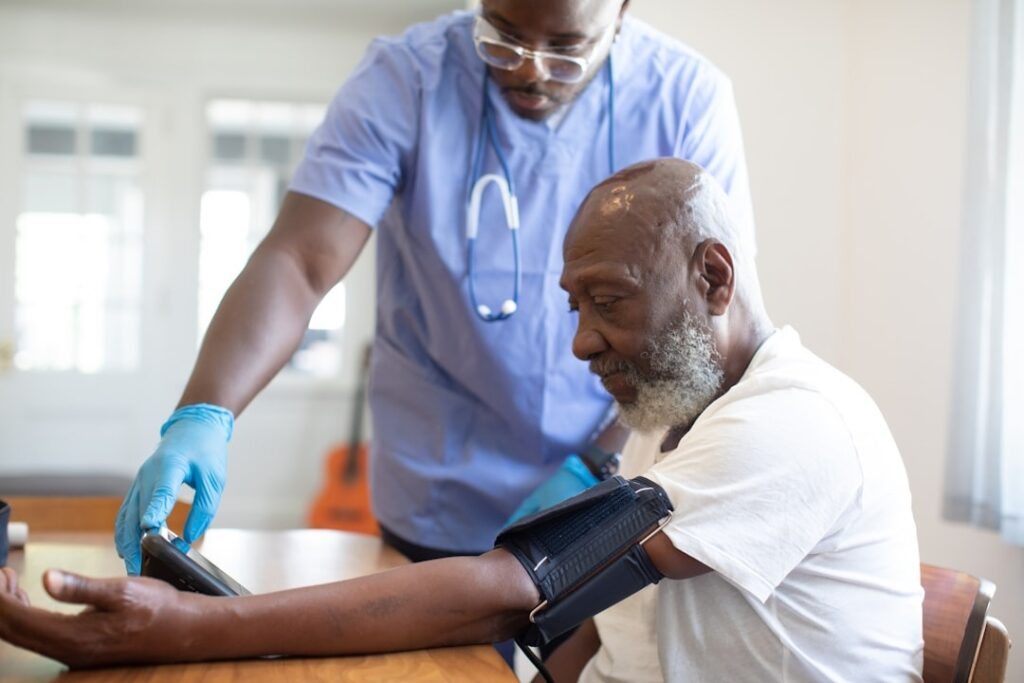
A key component is the comprehensive health assessment, which goes beyond standard check-ups to delve into an individual’s unique health profile. This often includes detailed discussions about diet, exercise, sleep patterns, stress levels, and emotional well-being.
Integrating Medical and Behavioral Healthcare and Wellness Services
One of the most critical advancements in modern wellness is the seamless integration of medical and behavioral healthcare. We now understand that mental health is not separate from physical health; it is an intrinsic part of overall well-being. Studies consistently show that integrated behavioral health care leads to better outcomes for both body and mind. Wellness centers actively incorporate mental health support, offering counseling, therapy, and stress management techniques. This might include mindfulness practices, meditation, or cognitive behavioral therapy, all aimed at strengthening the mind-body connection. By addressing emotional well-being alongside physical symptoms, we can help individuals build resilience, manage stress more effectively, and improve their overall quality of life.
Preventive Care and Chronic Disease Management
Preventive care in a comprehensive wellness program extends far beyond annual physicals and vaccinations. It involves a proactive approach to identifying potential health risks and implementing strategies to mitigate them. This includes advanced diagnostics such as detailed biometric screenings, genetic testing, and in-depth metabolic health assessments. These tools allow us to pinpoint predispositions to conditions like diabetes, heart disease, or certain cancers, enabling early intervention.
For individuals already managing chronic conditions, these programs offer personalized management plans that integrate medical oversight with lifestyle interventions. For example, for the over 60% of Americans experiencing daily GI distress, a comprehensive approach might combine advanced diagnostic testing with nutrition counseling and stress management. The goal is not just to manage symptoms but to improve underlying health, reduce reliance on medication where possible, and enhance overall vitality.
Advanced Diagnostics and Regenerative Therapies
The frontier of healthcare in July 2026 is marked by increasingly sophisticated diagnostic tools and groundbreaking regenerative therapies. These advancements allow us to understand the body at a cellular level and intervene with precision, moving us closer to truly personalized and proactive health management.
Advanced lab testing, for instance, goes beyond standard blood panels to include comprehensive hormone profiles, micronutrient analyses, gut microbiome mapping, and advanced inflammatory markers. These detailed insights are crucial for uncovering the root causes of symptoms that might be missed by conventional testing. For example, understanding an individual’s unique hormone balance is key to addressing issues like fatigue, mood disturbances, and age-related changes.
The Role of Precision Imaging in Early Detection
Precision imaging plays an indispensable role in modern diagnostics, offering non-invasive ways to visualize the body’s internal structures and functions. Beyond traditional X-rays and MRI, advanced techniques like functional MRI, high-resolution ultrasound, and specialized CT scans provide unprecedented diagnostic accuracy. These tools are vital for preventive screenings, helping to detect anomalies at their earliest stages, often before symptoms even appear. For instance, specialized breast imaging techniques can detect cancers with significantly higher accuracy than mammography alone, especially in women with dense breasts. This focus on structural health and clinical interpretation empowers us to make informed decisions about preventive interventions and treatment strategies.
Emerging Regenerative and Longevity Treatments
The field of regenerative therapies is rapidly expanding, offering exciting prospects for cellular health and longevity. These innovative approaches aim to repair, restore, or replace damaged tissues and organs, effectively turning back the biological clock and enhancing the body’s natural healing capabilities. Key areas include:
- Stem Cells: Utilizing the body’s own master cells to promote healing and regeneration in various tissues, from joints to skin.
- Exosome Therapies: Harnessing the power of exosomes, tiny vesicles released by cells, to deliver growth factors and genetic material that stimulate repair and reduce inflammation.
- Peptides: Short chains of amino acids that act as signaling molecules, influencing a wide range of bodily functions including muscle preservation, hormone regulation, and immune response.
- Metabolic Support: Advanced interventions aimed at optimizing cellular metabolism, which is crucial for energy production, detoxification, and overall vitality.
- Proactive Aging: Strategies focused on maintaining physical and cognitive function as we age, including treatments for muscle loss, bone density, and cognitive decline.
These innovative regenerative solutions are at the forefront of helping individuals not just manage symptoms, but truly enhance their body’s inherent capacity for health and resilience.
Aesthetic Wellness and Regenerative Aesthetics
In the evolving landscape of healthcare, the concept of “aesthetic wellness” has emerged as a vital component of holistic health. This field recognizes that how we feel about our appearance significantly impacts our mental and emotional well-being, and that external beauty often reflects internal health. It’s about more than just looking good; it’s about feeling vibrant and confident, which contributes to overall vitality.
Medical-grade skincare, for example, is integrated into wellness plans not merely for cosmetic appeal but for skin health, acting as a protective barrier and indicator of internal balance. Similarly, body contouring treatments are approached with an understanding of metabolic health and sustainable lifestyle changes.
Bridging the Gap Between Clinical Medicine and Aesthetics
Regenerative aesthetics represents a powerful bridge between clinical medicine and traditional beauty treatments. It focuses on stimulating the body’s natural regenerative processes to improve skin and tissue health from within. This includes a range of advanced, non-invasive to minimally invasive procedures:
- Injectables: Beyond traditional fillers, advanced injectables can stimulate collagen production and improve skin quality.
- Laser Resurfacing: Techniques that use focused light to improve skin texture, tone, and reduce imperfections, promoting cellular regeneration.
- RF Microneedling: Combines microneedling with radiofrequency energy to create micro-injuries and heat, stimulating collagen and elastin production for tighter, smoother skin.
- Cellular Regeneration: Treatments that encourage the body’s own cells to repair and rejuvenate, leading to healthier, more resilient tissue.
These methods are often part of a broader plan to enhance systemic vitality, ensuring that aesthetic improvements are supported by underlying health.
Modern Technologies in Body and Skin Optimization
The rapid advancement of technology has brought forth innovative tools for body and skin optimization that are integrated into wellness centers. These technologies offer effective, non-invasive solutions for a variety of concerns:
- Emsculpt NEO: A device that simultaneously uses radiofrequency and high-intensity focused electromagnetic energy to build muscle and reduce fat, improving body composition and strength. This is crucial for addressing muscle loss (sarcopenia), a significant factor in aging and metabolic health.
- XERF: Another advanced technology that utilizes radiofrequency for skin tightening and contouring, enhancing tissue health and appearance.
- Body Composition Tracking: Sophisticated analyses that go beyond simple weight measurements to assess muscle mass, fat percentage, and bone density, providing a clearer picture of physical health and progress.
These non-invasive therapies, combined with personalized plans, help individuals achieve longevity aesthetics – maintaining a youthful and healthy appearance that reflects their internal well-being.
Navigating Modern Healthcare and Wellness Services
Choosing the right healthcare and wellness services can feel overwhelming given the array of options available in July 2026. Understanding the different models of care, from traditional primary care to concierge medicine and integrated wellness centers, is crucial for making informed decisions that align with your health goals.
Feature Traditional Primary Care Concierge Medicine Integrated Wellness Center Appointment Length Typically 10-15 minutes 30-60 minutes 60+ minutes, often multi-part Focus Acute illness, symptom management Personalized, proactive primary care Root-cause, holistic, preventive Payment Model Insurance-based, co-pays Membership fee + insurance/direct Membership/direct-pay, some insurance accepted for services Provider Access Limited, often through nurse/portal Direct access (phone, text, email) Direct access, dedicated care team Services Offered Basic check-ups, referrals Primary care, some wellness Medical, behavioral, nutrition, fitness, advanced diagnostics, aesthetics Care Coordination Often fragmented Improved coordination Comprehensive, multidisciplinary team-based
Choosing the Right Wellness Center for Your Goals
When selecting a wellness center, several factors should guide your decision to ensure you receive the most effective and personalized care:
- Personalized Care Approach: Look for centers that emphasize individualized treatment plans rather than one-size-fits-all protocols. The best centers will take the time to understand your unique health history, lifestyle, and aspirations.
- Provider Credentials and Expertise: Ensure that the clinicians—whether medical doctors, nurse practitioners, nutritionists, or behavioral health specialists—are board-certified and have specialized training relevant to your needs (e.g., functional medicine, hormone health).
- Integrated Services: A truly comprehensive center will offer a wide array of services under one roof or through seamless coordination. This might include medical consultations, nutrition counseling, fitness programs, stress management, and advanced diagnostics. This integration prevents fragmented care and ensures all aspects of your health are considered.
- Diagnostic Depth: Inquire about the types of diagnostic testing available. Advanced lab testing and precision imaging can provide crucial insights that inform more effective treatment plans.
- Ongoing Care Coordination: A robust wellness center will provide continuous support and coordination, ensuring that your care plan evolves with your health status and that you have direct access to your care team for questions and adjustments. Membership models often facilitate this direct access and longitudinal support.
By carefully evaluating these aspects, we can choose a wellness center that becomes a true partner in our long-term health journey.
Frequently Asked Questions about Healthcare and Wellness Services
What types of providers are typically found at integrated health and wellness centers?
Integrated health and wellness centers typically host a diverse team of professionals to address various aspects of health holistically. This often includes medical doctors (MDs), nurse practitioners (APRNs), and physician assistants (PAs) for primary medical care and oversight. You’ll also find behavioral health specialists such as licensed clinical social workers (LCSWs), licensed professional counselors (LPCs), and sometimes psychiatrists, crucial for mental and emotional well-being. Nutritionists or registered dietitians provide guidance on diet and lifestyle, while fitness specialists or coaches might offer personalized exercise plans. Depending on the center, you could also encounter physical therapists, chiropractors, acupuncturists, or even specialists in regenerative aesthetics. The goal is to provide a multidisciplinary approach under one coordinated umbrella.
How do regenerative aesthetics complement traditional wellness programs?
Regenerative aesthetics complement traditional wellness programs by focusing on enhancing the body’s natural repair and rejuvenation processes, rather than just masking symptoms. While traditional wellness might focus on diet, exercise, and stress reduction for overall health, regenerative aesthetics extends this to the skin and body. Treatments like injectables, laser resurfacing, and RF microneedling stimulate cellular health and tissue repair, leading to improved skin quality, tone, and texture. This not only contributes to a more youthful appearance but also reflects and supports systemic vitality. By boosting self-confidence and promoting a sense of well-being, regenerative aesthetics can enhance the psychological benefits of a comprehensive wellness program, making individuals feel more aligned with their internal health goals. It’s about looking as vibrant as you feel.
What should I look for when selecting a personalized wellness program?
When selecting a personalized wellness program, we recommend prioritizing several key elements. First, seek programs that offer diagnostic depth, utilizing advanced lab testing and comprehensive assessments to uncover the root causes of your health concerns, rather than just treating symptoms. Second, ensure that the providers are credentialed and experienced, ideally with expertise in functional medicine or integrative health, demonstrating a commitment to a holistic approach. Third, look for customized treatment plans that are tailored to your unique biology, lifestyle, and goals, rather than generic protocols. Finally, strong programs will offer ongoing care coordination, providing consistent support, regular check-ins, and the ability to adjust your plan as your health evolves. This ensures a dynamic partnership focused on your long-term health outcomes.
Conclusion
The journey through modern healthcare and wellness services reveals a profound evolution. We are moving towards a future where proactive health, diagnostic precision, and aesthetic vitality converge to support long-term well-being. From the meticulous insights provided by advanced medical imaging to the transformative potential of regenerative therapies and aesthetic enhancements, the focus is firmly on empowering individuals to achieve their fullest health potential.
By embracing integrated care models, prioritizing root-cause analysis, and leveraging the expertise of multidisciplinary teams, we can navigate the complexities of our health with greater confidence and clarity. The benefits extend beyond symptom relief, fostering resilience, enhancing quality of life, and promoting a vibrant, active lifestyle for years to come. As we look ahead to July 2026 and beyond, the commitment to personalized, holistic care will undoubtedly continue to shape a healthier, more vital future for all of us.