
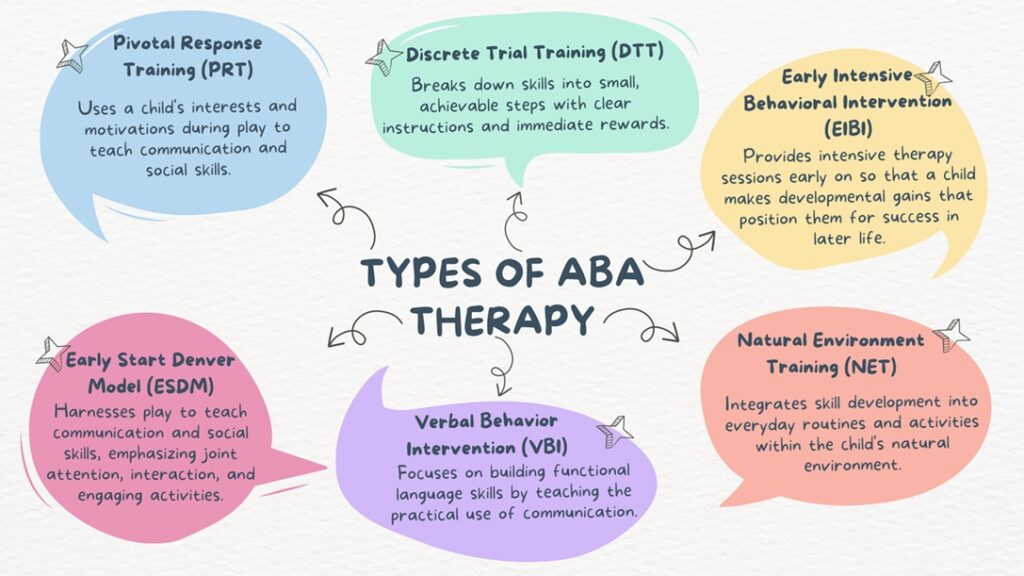
Applied Behavior Analysis, often referred to as ABA, is a widely used therapeutic approach designed to support individuals in developing meaningful skills and reducing behaviors that interfere with daily life. While ABA is most commonly associated with autism support, its applications extend far beyond a single diagnosis. At its core, ABA is about understanding behavior and using evidence-based strategies to encourage positive change.
For families exploring services through an ABA therapy center, understanding what ABA is and who can benefit from it can provide clarity and confidence when making care decisions.
Understanding the Foundations of Applied Behavior Analysis
Applied Behavior Analysis is grounded in the science of learning and behavior. It focuses on how behaviors are influenced by the environment and how positive reinforcement can be used to encourage skill development.
Rather than relying on assumptions or generalized approaches, ABA uses careful observation and data collection to understand why behaviors occur. Therapists then design individualized strategies that help replace challenging behaviors with more functional, adaptive alternatives.
ABA is not a one-size-fits-all method. Effective programs are tailored to each individual’s needs, abilities, and goals, making the approach flexible and highly personalized.
Core Principles of ABA Therapy
ABA therapy is built on several foundational principles that guide how treatment is delivered.
Positive Reinforcement
Positive reinforcement is one of the most important components of ABA. When a desired behavior is followed by something meaningful to the individual, that behavior becomes more likely to occur again. Reinforcement may include praise, access to preferred activities, or tangible rewards, depending on what motivates the person.
Data-Driven Decision Making
ABA relies heavily on data to track progress. Therapists continuously collect information on behaviors and skill acquisition, allowing treatment plans to be adjusted based on what is working and what is not.
This data-driven approach ensures that therapy remains responsive and effective over time.
Skill Generalization
ABA focuses not only on teaching skills, but also on helping individuals use those skills across different settings and situations. This emphasis on generalization supports long-term independence and real-world success.
What Happens in an ABA Therapy Center
An ABA therapy center provides a structured, supportive environment where individuals can receive consistent, individualized care. Services are typically delivered one-on-one by trained behavior technicians under the supervision of a Board Certified Behavior Analyst (BCBA).
In a center-based setting, therapy may include:
- Structured skill-building activities
- Play-based learning
- Social skills development
- Communication support
- Behavioral interventions tailored to individual goals
The center environment allows therapists to control variables, reduce distractions, and create opportunities for focused learning. This structure can be especially helpful for individuals who benefit from predictable routines.
Who Can Benefit From Applied Behavior Analysis
While ABA is most widely known for its use with individuals on the autism spectrum, it can benefit a much broader population.
Children With Autism Spectrum Disorder
ABA is commonly used to support children with autism in developing communication, social, and daily living skills. Early intervention can be especially impactful, helping children build foundational skills during critical developmental periods.
ABA programs for children often focus on language development, play skills, emotional regulation, and independence in daily routines.
Adolescents and Teens
Adolescents may benefit from ABA support focused on social skills, executive functioning, emotional regulation, and adaptive behaviors. Therapy can help teens navigate peer relationships, academic expectations, and transitions into greater independence.
Individuals With Developmental or Behavioral Challenges
ABA techniques are also used to support individuals with developmental delays, attention-related challenges, or behavioral concerns. The principles of behavior analysis can be applied to improve focus, cooperation, and functional skills across a variety of contexts.
Families and Caregivers
ABA therapy does not only benefit the individual receiving services. Families and caregivers often receive guidance and training that helps them reinforce skills at home and manage challenging behaviors more effectively.
This collaborative approach strengthens outcomes and supports consistency across environments.
The Role of Early Intervention
Research consistently shows that early intervention can lead to better outcomes for individuals with developmental and behavioral challenges. ABA therapy introduced early in life can help children develop communication skills, adaptive behaviors, and social understanding that support long-term success.
Early ABA intervention often focuses on:
- Building language and communication
- Encouraging social engagement
- Reducing behaviors that interfere with learning
- Promoting independence in daily activities
Starting therapy early allows skills to develop alongside natural growth and learning.
Addressing Emotional and Mental Health Needs
Many individuals who receive ABA therapy also experience emotional or mental health challenges, such as anxiety or difficulty with emotional regulation. While ABA primarily focuses on behavior, comprehensive care often includes consideration of emotional well-being.
A trusted source for research-based information on mental health and developmental conditions is the National Institute of Mental Health, which provides educational resources that complement behavioral interventions.
Integrating emotional awareness into ABA programming helps ensure a more holistic approach to support.
Collaboration With Other Therapies and Supports
ABA therapy is often most effective when delivered as part of a broader care plan. Collaboration with speech therapists, occupational therapists, educators, and healthcare providers helps ensure consistency and reinforces progress across settings.
Center-based ABA programs often coordinate with schools and families to align goals and strategies, creating a cohesive support system.
Measuring Progress and Adjusting Goals
One of the strengths of ABA is its emphasis on measurable progress. Goals are clearly defined, and progress is reviewed regularly. When goals are met, new objectives are introduced to continue growth.
If progress slows, data analysis helps identify barriers and refine strategies. This adaptability allows therapy to evolve alongside the individual’s development.
Addressing Common Misconceptions About ABA
ABA has evolved significantly over time. Modern ABA emphasizes respect, collaboration, and person-centered care. Ethical ABA practice prioritizes dignity, choice, and individual preferences.
Effective programs avoid rigid or punitive approaches and instead focus on building meaningful skills that improve quality of life.
Building Skills That Last
Applied Behavior Analysis is not about changing who someone is — it is about supporting individuals in developing skills that help them thrive. By focusing on strengths, preferences, and meaningful goals, ABA empowers individuals to navigate their world more confidently.
Supporting Growth Through Evidence-Based Care
Applied Behavior Analysis is a flexible, research-supported approach that benefits individuals across ages and needs. Whether supporting communication, independence, or social engagement, ABA therapy provides structured tools for meaningful growth.
When delivered through a thoughtful, individualized program, ABA can help individuals and families build skills that support long-term success and improved quality of life.