
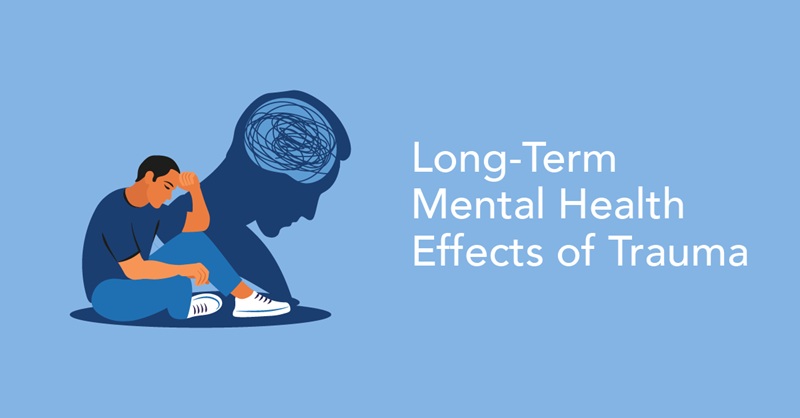
Yes. Trauma can have a major impact on mental health, and it can increase the risk of addiction. Trauma does not automatically cause substance use problems, and not everyone who experiences trauma develops an addiction. But trauma can change the way the brain and nervous system respond to stress, emotion, and safety, which can make alcohol or drugs feel like a fast path to relief.
For many people, substance use begins as an attempt to cope with trauma symptoms. Over time, that coping strategy can become dependence and addiction, especially when trauma is untreated.
What Trauma Can Do To The Brain And Nervous System
Trauma is not only a memory. It can become a nervous system pattern. After trauma, the brain may stay on high alert, scanning for danger even when life is calm. This can affect:
- Sleep and nightmares
- Anxiety and panic symptoms
- Irritability and anger spikes
- Emotional numbness or dissociation
- Difficulty concentrating
- Hypervigilance and startle response
- Feeling unsafe in your own body
When your nervous system is chronically activated, daily life can feel exhausting. Substances can temporarily reduce that intensity, which makes them feel appealing.
Trauma Can Lead To Mental Health Symptoms That Increase Relapse Risk
Trauma is strongly connected to mental health conditions that often overlap with addiction, such as:
Anxiety Disorders
Trauma can create persistent worry, panic attacks, and a sense of danger even in safe environments. People may drink or use to calm the nervous system.
Depression
Trauma can lead to sadness, hopelessness, numbness, and loss of interest. Substances may be used to feel something, or to feel less.
PTSD Symptoms
Some people develop PTSD symptoms, including intrusive memories, nightmares, avoidance, hypervigilance, and emotional reactivity. Alcohol or drugs may be used to sleep, numb, or escape.
Emotional Dysregulation
Trauma can make emotions feel unpredictable and overwhelming. Substances can become a tool for emotional control.
When mental health symptoms are untreated, the urge to self-medicate increases.
How Substance Use Can Become A Trauma Coping Strategy
Many trauma survivors use substances for specific reasons:
- To fall asleep or stop nightmares
- To reduce flashbacks or intrusive thoughts
- To quiet anxiety and hypervigilance
- To numb emotional pain or shame
- To feel safe or confident socially
- To avoid memories or feelings connected to the trauma
The relief is real, which is why the pattern can become so strong. The problem is that substances typically worsen trauma symptoms over time through sleep disruption, anxiety rebound, and increased emotional instability.
Trauma And Addiction Often Reinforce Each Other
Once substance use becomes regular, it can create new problems that intensify trauma symptoms:
- Shame and secrecy
- Relationship conflict and loss of trust
- Job, legal, or financial stress
- Increased exposure to unsafe situations
- New traumatic events while under the influence
This creates a reinforcing cycle: trauma symptoms increase substance use, and substance use increases stress and trauma exposure.
Why Trauma-Informed Treatment Matters
If trauma is part of the picture, recovery is usually more sustainable when treatment addresses both trauma and substance use. Trauma-informed treatment focuses on safety, stabilization, and skill-building.
It often includes:
- Coping skills for nervous system regulation
- Emotional regulation tools and distress tolerance skills
- Therapy that addresses trauma at an appropriate pace
- Support for sleep and anxiety without reliance on substances
- Building boundaries and safe relationships
- Integrated mental health care when needed
Trauma-informed does not mean forcing someone to talk about trauma in detail. It means making sure treatment does not recreate fear, shame, or loss of control.
What Trauma Treatment May Look Like In Recovery
Trauma work is not one-size-fits-all. Many people begin with stabilization and coping skills first. Later, some may choose trauma-focused therapies such as EMDR or trauma-focused CBT, depending on readiness and clinical fit.
The timing matters. The best approach is the one that increases safety and reduces relapse risk.
Summary
Trauma can strongly affect mental health and increase the risk of addiction because it can keep the nervous system stuck in stress mode, leading to anxiety, sleep problems, depression, and emotional dysregulation. Alcohol and drugs may feel like a fast way to cope with trauma symptoms, but over time they often make mental health worse and create new stress and shame. Recovery is often most effective when treatment is trauma-informed and addresses both substance use and mental health together, focusing on safety, coping skills, and long-term stability.
If you are searching for a mental health and addiction treatment for yourself or a loved one, The Bridge to Recovery is a unique program that can help. Learn more about their addiction treatment centers in Kentucky.