Cataract, also known as Motiyabind, is one of the most common causes of vision loss in elderly people. It happens when the natural lens of the eye becomes cloudy, making vision appear blurred, dim, or foggy. Over time, this cloudiness worsens, interfering with everyday tasks such as reading, cooking, driving, or even recognizing faces.
Cataract is not a disease that spreads from one eye to another—it can affect one or both eyes independently. In most people, cataracts develop gradually with age due to protein changes in the lens. However, certain factors like diabetes, prolonged exposure to sunlight, smoking, or injury to the eye can increase the risk or accelerate cataract formation.
Early Stage and Diagnosis
During the early stages, cataracts may not significantly affect vision. Many people manage comfortably with new eyeglass prescriptions or brighter lighting. But as the cataract grows, vision becomes increasingly cloudy and blurry. Regular eye check-ups with an ophthalmologist are essential, especially for those above 50 years of age.
An eye specialist can detect cataracts during a comprehensive eye examination using simple tests like slit-lamp examination, visual acuity testing, and retinal evaluation. If the cataract starts interfering with your routine or independence, your doctor may recommend cataract surgery.
The Truth About Cataract Eye Drops
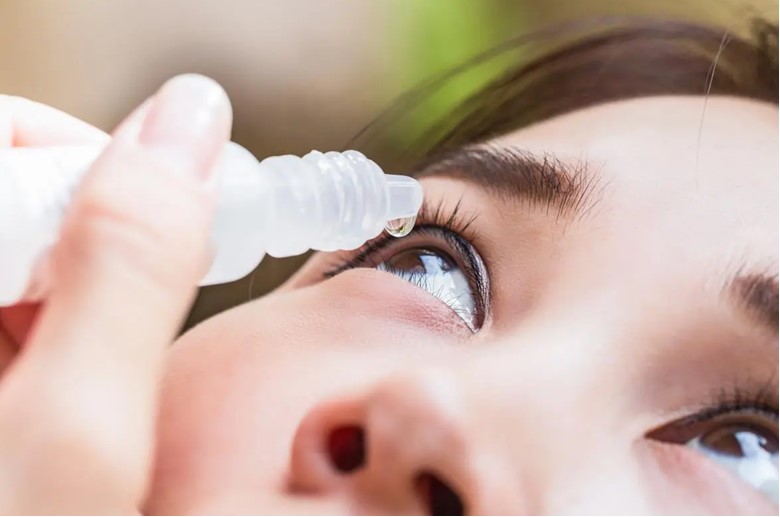
There are many advertisements and claims suggesting that cataracts can be treated using eye drops. However, this is a myth. Currently, there are no scientifically proven or approved eye drops that can remove or cure cataracts.
Major global health authorities, including the U.S. Food and Drug Administration (FDA) and the National Institutes of Health (NIH), have confirmed that no eye drop or medication can reverse or dissolve the cloudy lens caused by cataracts. The only effective and permanent treatment for cataract is surgery.
Eye drops prescribed by doctors before or after cataract surgery serve a completely different purpose—they are used to reduce inflammation, prevent infection, or lubricate the eyes during recovery. They do not and cannot eliminate cataracts.
Why Surgery Is the Only Cure
Cataracts cannot be “dissolved” because they are not a layer or film that can be washed away—they are part of the natural lens that has become opaque. Hence, the only way to restore clear vision is to remove the cloudy lens and replace it with a clear artificial lens, known as an intraocular lens (IOL).
Cataract surgery is one of the safest and most successful eye surgeries performed worldwide. It is usually done on an outpatient basis, meaning the patient can go home the same day. Vision improvement begins within a few days, and full recovery generally occurs in a few weeks.
Types of Cataract Surgery
Two main surgical techniques are commonly used for cataract treatment:
- SICS (Small Incision Cataract Surgery):
This traditional method involves a small incision through which the cloudy lens is removed manually and replaced with an artificial lens. - Phacoemulsification (PHACO):
A more advanced, modern technique that uses ultrasound waves to break up the cloudy lens before removing it. The IOL is then inserted through a tiny incision, making the procedure painless, stitch-less, and allowing for a quicker recovery.
Among these, PHACO cataract surgery is preferred by most ophthalmologists today because of its precision, faster healing, and minimal discomfort.
Can Cataracts Go Away Naturally?
No natural remedy, eye exercise, or diet can reverse cataracts once they have formed. However, a healthy lifestyle can help slow the progression of cataracts and protect your overall eye health. Eating foods rich in antioxidants (like leafy greens, carrots, and citrus fruits), wearing sunglasses to block UV rays, avoiding smoking, and managing conditions like diabetes can help reduce the risk of early cataract development.
Still, once vision starts to significantly deteriorate due to cataract formation, surgery remains the only effective treatment option.
Living with Cataracts – A Risk Not Worth Taking
Ignoring cataracts can lead to complete blindness over time. Many people delay treatment, believing that they can manage with glasses or that eye drops might help. Unfortunately, this only allows the cataract to mature further, making daily activities difficult and sometimes unsafe.
Tasks like driving, climbing stairs, or even identifying faces can become risky. Cataract surgery, when done at the right time, not only restores sight but also enhances the quality of life dramatically. The procedure is safe, quick, and offers excellent results when performed by skilled surgeons.
The Bottom Line
Despite the many myths surrounding cataract treatment, it’s important to understand that eye drops cannot cure cataracts. Surgery remains the only proven and permanent solution for restoring vision lost due to cataracts or Motiyabind.
So, if you or your loved one has been diagnosed with cataracts, don’t delay seeking medical advice. Early diagnosis, timely surgery, and proper postoperative care can help restore clear vision and prevent blindness.
A cataract or Motiyabind operation today can give you back the joy of clear sight tomorrow.