
Did you know? More than 80% of people with prediabetes don’t even know they have it.1 That’s right! Many of us are at risk for type 2 diabetes without realizing it. The scary part is that without proper diagnosis and management, prediabetes often turns into diabetes in just a few years. So, how do you know if you’re one of them? What signs should you be looking out for?
In this article, we’ll learn about the hidden prediabetes symptoms and explain how to get tested. So, let’s dive in!
What is Prediabetes?
Prediabetes occurs when your body becomes resistant to insulin, leading to higher-than-normal blood sugar levels. While your pancreas still produces insulin, it’s either not enough or your body isn’t using it properly.
For instance, you may be prediabetic if your:
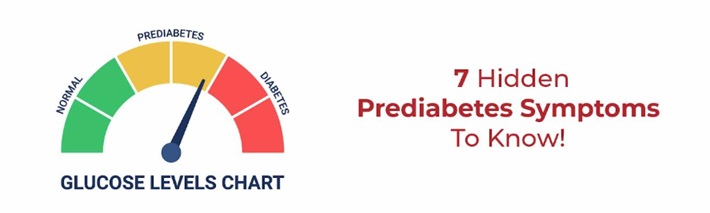
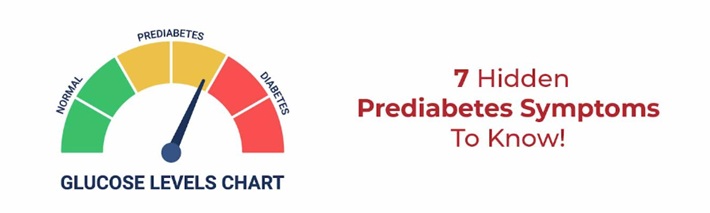
- Fasting blood sugar is between 100 to 125 mg/dL
- Non-fasting blood sugar is between 140 to 199 mg/dL (measured two hours after a glucose test)
- HBA1c is between 5.7-6.4%
If you fall into these ranges, it’s important to take steps and consult your doctor before it progresses to type 2 diabetes.
7 Prediabetes Symptoms to Watch Out For
As the name suggests, prediabetes is often the first step towards developing type 2 diabetes if left unchecked. Also, as mentioned earlier, it doesn’t show any obvious symptoms, so it’s hard to tell if you’re dealing with it. The only way to know for sure is through a blood test.
That said, there are a few subtle clues that might raise red flags. So keep an eye out for these signs, which can mean you’re likely heading towards prediabetes or already have it.
1. Skin Tags
Small growths on the skin, referred to as skin tags, can also be an early sign of insulin resistance. They often appear around the neck, armpits, or other skin folds.
2. Darkening of skin
If you notice dark patches on certain areas of the body, like the neck, elbows, or knees, it could be linked to prediabetes. This is known as acanthosis nigricans, which is often a result of higher insulin levels in the body.
3. Increased Hunger
If you feel hungrier than usual, even after eating, it could be a sign of insulin resistance, which is common in prediabetes. This means your body isn’t using insulin well, making you crave more food to compensate.
4. Constant Tiredness
Prediabetes or diabetes can often make you feel tired. This happens because high blood sugar levels prevent your body from converting sugar into energy. Another reason is that frequent urination leads to dehydration, which can make tiredness even worse.
5. Unexplained Weight Loss or Gain
Gaining or losing weight for no obvious reason could be linked to diabetes. Frequent urination can make you lose sugar and calories, which may lead to sudden weight loss. At the same time, some people may also notice weight gain due to better hydration. That said, if blood sugar is not managed properly, these weight changes may continue to occur.
6. Blurred Vision
Another prediabetes symptom (even diabetes) includes blurry eyesight. That happens when high blood sugar draws fluid from the body tissues, including the eyes, making it difficult to focus and causing blurry vision. Managing blood sugar usually resolves the issue.
But if diabetes is not managed, it can further damage blood vessels in the retina. This can lead to serious vision problems, even blindness, if ignored.
7. Slow Healing Cuts & Infections
High blood sugar levels affect blood flow and the body’s natural healing process. This means that if you are diabetic and have cuts or wounds, they may take longer to heal. Additionally, high blood sugar increases the risk of infections. That is why women with diabetes are more prone to bladder or vaginal yeast infections.
What Causes Prediabetes?
Many factors can increase the chances of prediabetes. One of the main reasons is insulin resistance. This happens when your body fails to use insulin properly. Other causes of insulin resistance include:
- Genetics or family history of type 2 diabetes
- Excess body fat, especially around your belly
- Lack of physical activity
- Consuming processed foods, especially those high in carbs and saturated fats
- Taking steroids for a long time
- Hormonal disorders like hypothyroidism
- Unmanaged stress and poor-quality sleep.
How to Diagnose Prediabetes
The best way to diagnose prediabetes is through a blood test. You can opt for LifeCell Diagnostics, which offers an easy and convenient at-home sample collection for diabetes testing. This way, you can monitor your blood sugar levels from the comfort of your home and get results quickly.
A timely diagnosis, along with the guidance of your doctor, will allow you to take early action and manage your blood sugar levels before things progress further.
Tips to Manage Prediabetes
The best way to manage prediabetes is through healthy lifestyle changes. Here’s what you can do:
- Engaging in physical activities like walking or yoga for at least 30 minutes each day can help your muscles absorb more glucose from the blood. This results in lower sugar levels, helping in the management of prediabetes.
- If you’re carrying extra weight, especially around your belly, try to shed a few kilos. Even a small weight loss can keep your blood sugar levels under control.
- Another way to control your blood sugar levels is to eliminate added sugars from your diet. Swap simple carbs for complex ones and try to include more vegetables to your meals. Also, if required, consult a dietitian to help chart out a personalised meal plan for you.
- Managing stress is also crucial for controlling blood sugar levels. So make sure to find time for relaxation and stress-reducing activities.
- Regular checks help you spot any changes early and take action before things get worse.
- Consult your doctor. They can guide you on medications, supplements, or further tests if necessary.
Conclusion
Taking care of your health starts with being proactive. Though prediabetes may not show clear symptoms, regular check-ups and making simple lifestyle changes can reverse the condition. So always keep an eye on your health and consult the doctor if you notice any prediabetes symptoms. It’s always better to act now than later.